Central Japan earthquake: JMA reports magnitude 5.7 in Shizuoka
The November 8 quake brought strong shaking to Chita. JMA says no tsunami is expected from this event; early injury reports remain provisional.
Verified brief
The story in 60 seconds
JMA reports a provisional magnitude 5.7 earthquake in western Shizuoka at 01:04 JST on November 8. Chita in neighbouring Aichi recorded intensity 5-upper. AP separately reports injuries, citing local media.
This brief and the full story below are based on the disclosed sources. SearchTrends Daily’s interpretation appears later under “Our take.”
Full reporting
The complete story
The Japan Meteorological Agency gives a provisional depth of 41 kilometres, revised from an initial estimate of about 40 kilometres. Its bulletin records the strongest observed shaking at Chita in Aichi Prefecture.
AP’s report timestamped November 7 at 23:24 UTC says at least 22 people were injured, citing local media. It describes broken shop windows and displaced books. That is an early reported count, not a final official total.
JMA says this earthquake poses no tsunami concern. Its bulletin also cautions about further strong shaking over roughly the following week, especially the first two to three days, and increased rockfall and landslide risks in strongly shaken areas.
Source perspectives
What other reporting adds
These are the reports, official records, and trend observations used to build the story. The note under each link explains exactly what it contributes.
Primary provisional magnitude, updated depth, Chita shaking observation, event-specific tsunami assessment and caution about further shaking. Japanese bulletin directly reviewed.
Read original source ↗Associated PressCentral Japan earthquake: early injury reportingNovember 7 at 23:24 UTC: at least 22 injuries attributed to local media; early damage reporting.
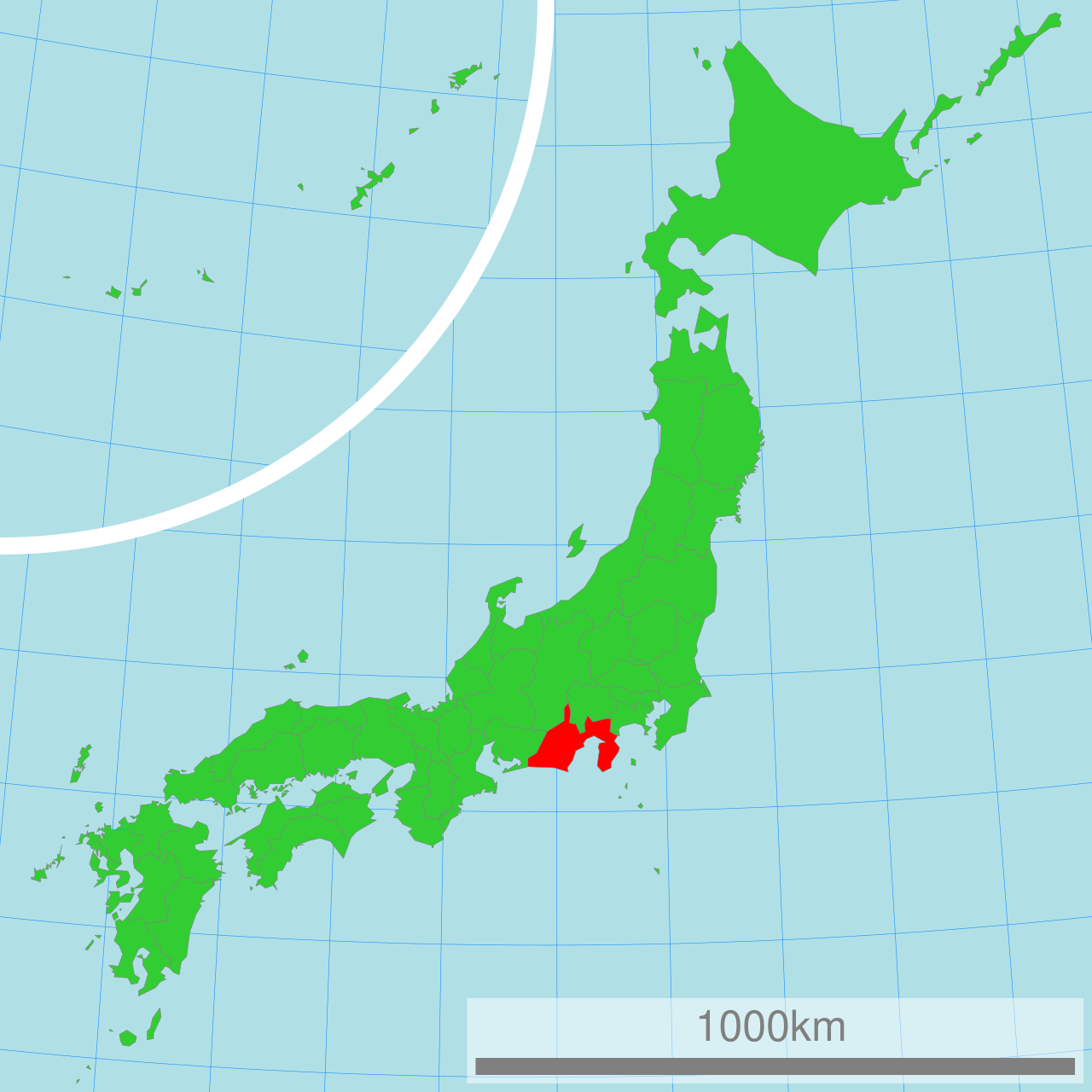
Read original source ↗Wikimedia CommonsShizuoka Prefecture locator mapLincun map, colour changes by TAKASUGI Shinji; CC BY-SA 3.0. Geography only, not an event or hazard map.
Read original source ↗Creative CommonsAttribution-ShareAlike 3.0 UnportedLicence for the credited locator map and any displayed crop.
Read original source ↗SearchTrends Daily opinion
Our take
Analysis
What the evidence and search signal suggest
Our assessment: local impacts need their own dated evidence. This article does not infer damage across an entire prefecture or use an early report to establish the current condition of every railway, road or building.
Analysis and commentary are SearchTrends Daily’s interpretation. They are intentionally separated from the sourced account above.
Meaning
Why this matters
A seismic bulletin and a damage report describe different parts of the event. The provisional earthquake measurements can be revised, while injury and disruption information can change as checks continue. A statement about this earthquake’s tsunami potential is not an all-clear for every hazard.
Background
How we got here
The event occurred after midnight in Japan: 01:04 JST on November 8 corresponds to 16:04 UTC on November 7. Reports dated November 7 in UTC and November 8 locally can therefore describe the same earthquake. Readers should compare both the time and place before combining reports.
Outlook
What is likely to happen next
Follow JMA and local authorities for updated earthquake information and instructions. Check operators directly for current transport arrangements; this article does not establish which services are running at the time of travel.
Image credit: Lincun, with colour changes by TAKASUGI Shinji, via Wikimedia Commons, CC BY-SA 3.0 (https://creativecommons.org/licenses/by-sa/3.0/). Commons’ 1,280-pixel PNG rendering is used without further editing; any displayed crop remains under the same licence. This is a geographic locator map highlighting Shizuoka Prefecture in red, not an epicentre, shaking-intensity, damage or evacuation map.
A conditional editorial assessment based on the evidence available at the review date, not a guaranteed outcome.
Live record
Updates to this story
No material updates yet.

Commentary
What we think
Early coverage should make uncertainty visible. Giving the source and time of an injury count helps readers understand what has been reported without treating it as a completed assessment.