NASA confirms Swift re-entry over Indonesia on November 4
The Space Force confirmed atmospheric re-entry at 12:39 UTC over North Sumatra. That establishes the event, without identifying every surviving fragment.
Verified brief
The story in 60 seconds
Swift re-entered the atmosphere on November 4, NASA now confirms. Its updated mission notice replaces the forecast with a confirmed time and region; science operations had already ended.
This brief and the full story below are based on the disclosed sources. SearchTrends Daily’s interpretation appears later under “Our take.”
Full reporting
The complete story
NASA updated its Swift mission blog on November 4 with confirmation from the U.S. Space Force: the spacecraft re-entered at 7:39 a.m. EST, equivalent to 12:39 UTC, over North Sumatra, Indonesia.
This replaces the anticipated return described in our earlier briefing. NASA says most of the spacecraft was expected to burn up, while some components may have survived. The notice does not establish where every fragment landed.
Reuters independently reported the confirmed return on November 4, citing NASA and the Space Force account. It said NASA had reported no ground damage or injuries at that point; that is a dated report, rather than a guarantee about every location.
Source perspectives
What other reporting adds
These are the reports, official records, and trend observations used to build the story. The note under each link explains exactly what it contributes.
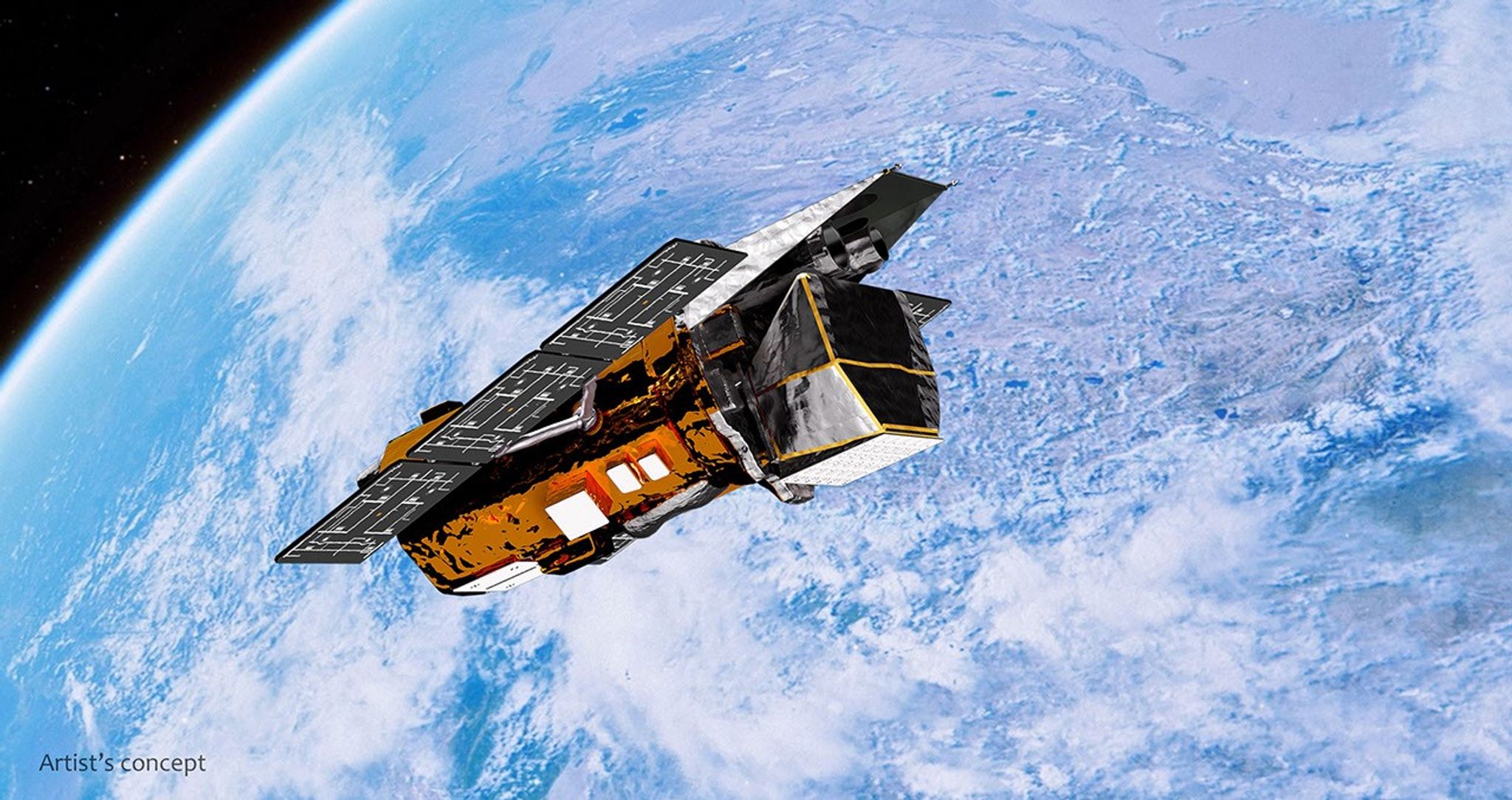
October 23 primary account establishes the final observation, mission history and scientific legacy. Supplies the credited artist’s concept used here.
Read original source ↗NASA Swift mission blogNASA’s Swift Mission Ends Ahead of Re-EntryOctober 23 operations notice, page updated October 26: explains drag, the unsuccessful boost plan and shutdown. Its expected re-entry window is dated, not event confirmation.
Read original source ↗Associated PressNASA telescope is on the verge of plunging back to Earth after failed rescue missionIndependent October 31 account by Marcia Dunn reports an anticipated re-entry following the failed rescue, not a completed fall.
Read original source ↗NASA Swift mission blogNASA’s Swift Observatory Re-Entered AtmosphereUpdated November4 with Space Force confirmation of time and North Sumatra region.
Read original source ↗Reuters via StreetInsiderNASA’s 22-year-old Swift satellite telescope falls from orbit in fiery finaleSteve Gorman November4 independently reports confirmed re-entry and dated NASA account of no reported ground damage or injuries.
Read original source ↗SearchTrends Daily opinion
Our take
Analysis
What the evidence and search signal suggest
Our assessment: a re-entry region is not a complete debris-recovery map. Confirmation resolves the main uncertainty in the earlier article, while claims about recovered objects still need their own evidence.
Analysis and commentary are SearchTrends Daily’s interpretation. They are intentionally separated from the sourced account above.
Meaning
Why this matters
The orbital return is now confirmed. Readers should distinguish the tracked atmospheric event from subsequent evidence about debris reaching the ground.
Background
How we got here
Swift launched on November 20, 2004, with a planned two-year primary mission. NASA says it went on to observe more than 2,000 gamma-ray bursts and over 1,400 supernova explosions. Its ability to detect a short-lived event, alert other observatories and rapidly turn its own telescopes made it valuable for studying a changing sky.
Outlook
What is likely to happen next
This article now records confirmed re-entry. Further updates require substantive official information, such as verified debris findings, rather than revisions to an obsolete forecast.
Image credit: NASA’s Goddard Space Flight Center Conceptual Image Lab. NASA artist’s concept of Swift above Earth, published with its mission-end article. This is an illustration, not a photograph of the spacecraft re-entering or an exact depiction of its current position.
A conditional editorial assessment based on the evidence available at the review date, not a guaranteed outcome.
Live record
Updates to this story
No material updates yet.


Commentary
What we think
Swift leaves a lasting scientific record. Its achievements can be recognised without treating unverified footage or objects as confirmed debris.