Northern Ireland's renewable record makes the grid the next big question
Generating more clean electricity is one achievement. Using it reliably is another.
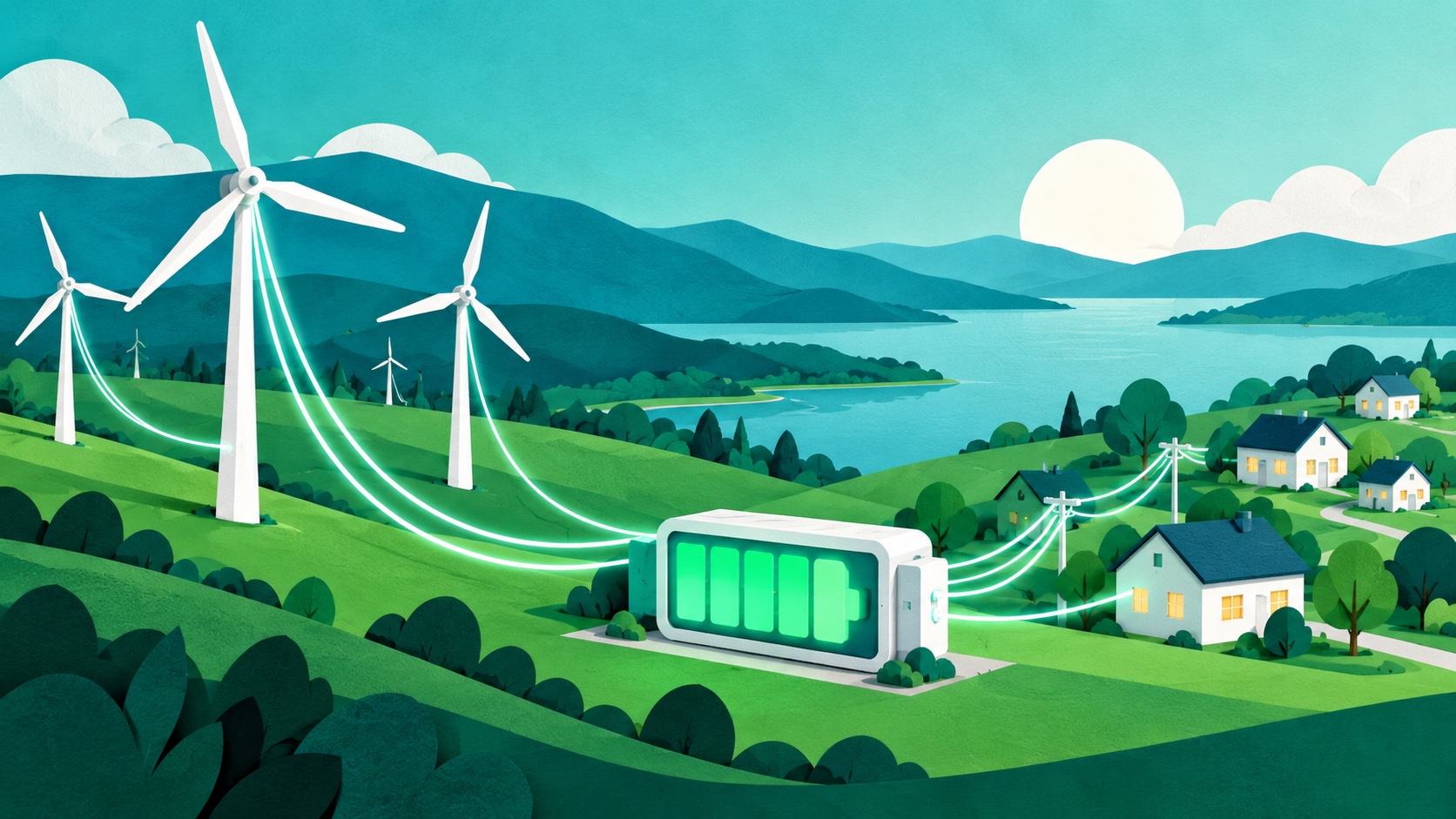
Verified brief
The story in 60 seconds
Renewables supplied 53% of Northern Ireland's electricity generation in the year to June, according to BBC reporting. Including imports changes the comparison. The record is progress toward a higher target, but grid constraints and weather variability remain important.
This brief and the full story below are based on the disclosed sources. SearchTrends Daily’s interpretation appears later under “Our take.”
Full reporting
The complete story
The BBC reports that renewable generation reached 53% over the year to June, surpassing the earlier record. When imported electricity is included in the calculation, the figure is 50%, matching a previous high. Wind accounted for roughly three-quarters of renewable output, with bioenergy and solar contributing smaller shares.
Northern Ireland is targeting 80% renewable electricity generation by 2030. The report also describes dispatch-down: periods when turbines are curtailed because the system cannot accommodate all the available output. The new record therefore does not mean electricity is entirely renewable, that every hour is equally clean or that household bills automatically fall in the same proportion.
Source perspectives
What other reporting adds
These are the reports, official records, and trend observations used to build the story. The note under each link explains exactly what it contributes.
SearchTrends Daily opinion
Our take
Analysis
What the evidence and search signal suggest
The distinction between generation and consumption is essential to interpreting the record. So is the difference between producing energy and being able to deliver it when needed. Additional renewable capacity will have less impact if curtailment grows alongside it. Our assessment is that the next phase should be judged through usable output and system flexibility, not only installed capacity.
Analysis and commentary are SearchTrends Daily’s interpretation. They are intentionally separated from the sourced account above.
Meaning
Why this matters
More renewable generation can reduce exposure to fossil-fuel volatility, but consumers benefit most when the system can use that output effectively. Grid limits can reduce the value of available generation.
Background
How we got here
Annual generation shares average together very different hours and seasons. Wind output varies with weather, while demand also changes. Networks, storage, flexible demand and other balancing resources help reconcile those patterns.
Outlook
What is likely to happen next
Watch grid-upgrade delivery, curtailment figures and progress toward the 2030 target. Better use of existing generation would strengthen the transition alongside new projects. Weather-driven changes in annual output should be separated from structural improvements in the system.
A conditional editorial assessment based on the evidence available at the review date, not a guaranteed outcome.
Live record
Updates to this story
No material updates yet.



Commentary
What we think
Our view: celebrate the record without using it to promise a simple percentage reduction in bills. A transparent explanation of imports, curtailment and network investment makes the achievement more credible, not less significant.