Why bogong moths are appearing across eastern Australia
The spring migration has put endangered bogong moths back in gardens and cities. Their return is welcome, but researchers still need to learn how many reach the Alps.
Verified brief
The story in 60 seconds
Bogong moths are moving through eastern Australia toward the Alps. Researchers see encouraging numbers after a severe decline, while asking the public to record sightings and reduce light pollution.
This brief and the full story below are based on the disclosed sources. SearchTrends Daily’s interpretation appears later under “Our take.”
Full reporting
The complete story
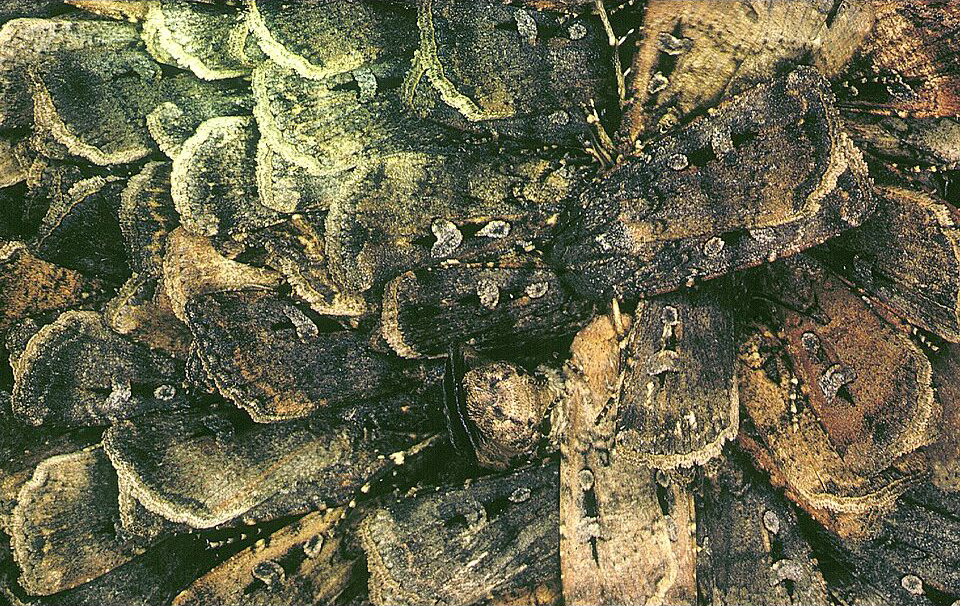
Bogong moths are again turning up in homes and streets across eastern Australia as their spring journey toward the Australian Alps continues. In New South Wales, residents reported conspicuous numbers in late September and early October. University of Sydney entomologist Caitlyn Forster told ABC News that wind and urban lighting can divert the night-flying moths from their route. Some may remain around cities for days or weeks before moving on.
Zoos Victoria describes a migration that can span up to 1,000 kilometres from breeding areas to cool alpine shelter. This is a seasonal movement, not evidence of a new pest outbreak. The apparent strength of this year’s flight is encouraging after years of scarcity, but sightings along the route are not a complete count of the population or a guarantee that the moths will reach their summer sites.
Researchers are asking people to photograph suspected bogong moths and submit observations through Zoos Victoria’s Moth Tracker. Its team verifies the identification. Turning off unnecessary outdoor lights at night during the migration, planting native flowers and avoiding insecticides are among the practical steps the zoo recommends.
Source perspectives
What other reporting adds
These are the reports, official records, and trend observations used to build the story. The note under each link explains exactly what it contributes.
October 7 interviews with entomologists on migration, wind, urban lights, 2026 observations and uncertainty.
Read original source ↗Zoos VictoriaMoth Tracker: bogong moth migration and conservationPrimary conservation guidance on route, endangered status, possum dependence and how to log sightings.
Read original source ↗Wikimedia Commons / CSIROCSIRO ScienceImage 6 Migrating Bogong MothsArchival hero photo by CSIRO Entomology, 2000. Image pixels cropped from the licensed thumbnail for display.
Read original source ↗Creative CommonsAttribution 3.0 Unported licenseLicense for the CSIRO archival hero photograph; credit CSIRO and note display crop.
Read original source ↗SearchTrends Daily opinion
Our take
Analysis
What the evidence and search signal suggest
The striking change may be as much about what people remember as about the absolute size of the population. Forster noted that younger Australians may have grown up during the species’ depleted years. More sightings are valuable evidence, but they must be interpreted alongside survey methods, weather and arrival counts in the mountains.
Analysis and commentary are SearchTrends Daily’s interpretation. They are intentionally separated from the sourced account above.
Meaning
Why this matters
Bogong moths feed critically endangered mountain pygmy-possums when those animals emerge from winter hibernation. Zoos Victoria says the moth population suffered an estimated 99.5% collapse and was listed as endangered by the IUCN in 2021. A more visible migration offers hope for both species, but conservationists need sustained observations before calling it a recovery.
Background
How we got here
The moths breed across parts of southern Queensland, New South Wales and western Victoria, then fly toward the Alps in spring and return inland in autumn. Their flight paths remain incompletely mapped. ABC News reported that researchers marked moths in the Blue Mountains and are comparing public sightings with weather patterns. The insects were once far more familiar across south-eastern Australia before a prolonged decline.
Outlook
What is likely to happen next
Researchers will track sightings through the spring and compare them with weather and alpine observations. The public may continue seeing moths in urban areas for days or weeks; the timing varies by conditions. More reliable evidence of recovery will depend on repeated counts across seasons and on how many moths reach the Alps.
A conditional editorial assessment based on the evidence available at the review date, not a guaranteed outcome.
Live record
Updates to this story
No material updates yet.


Commentary
What we think
A moth at a window is a small reminder that cities sit on a migration route. Giving these insects a dark passage and reporting sightings are modest actions with a clear conservation purpose. The encouraging scenes should prompt attention, not a premature declaration of victory.