ActiveUnited KingdomScience

Current trend briefing

A museum bear is helping researchers ask better forensic questions

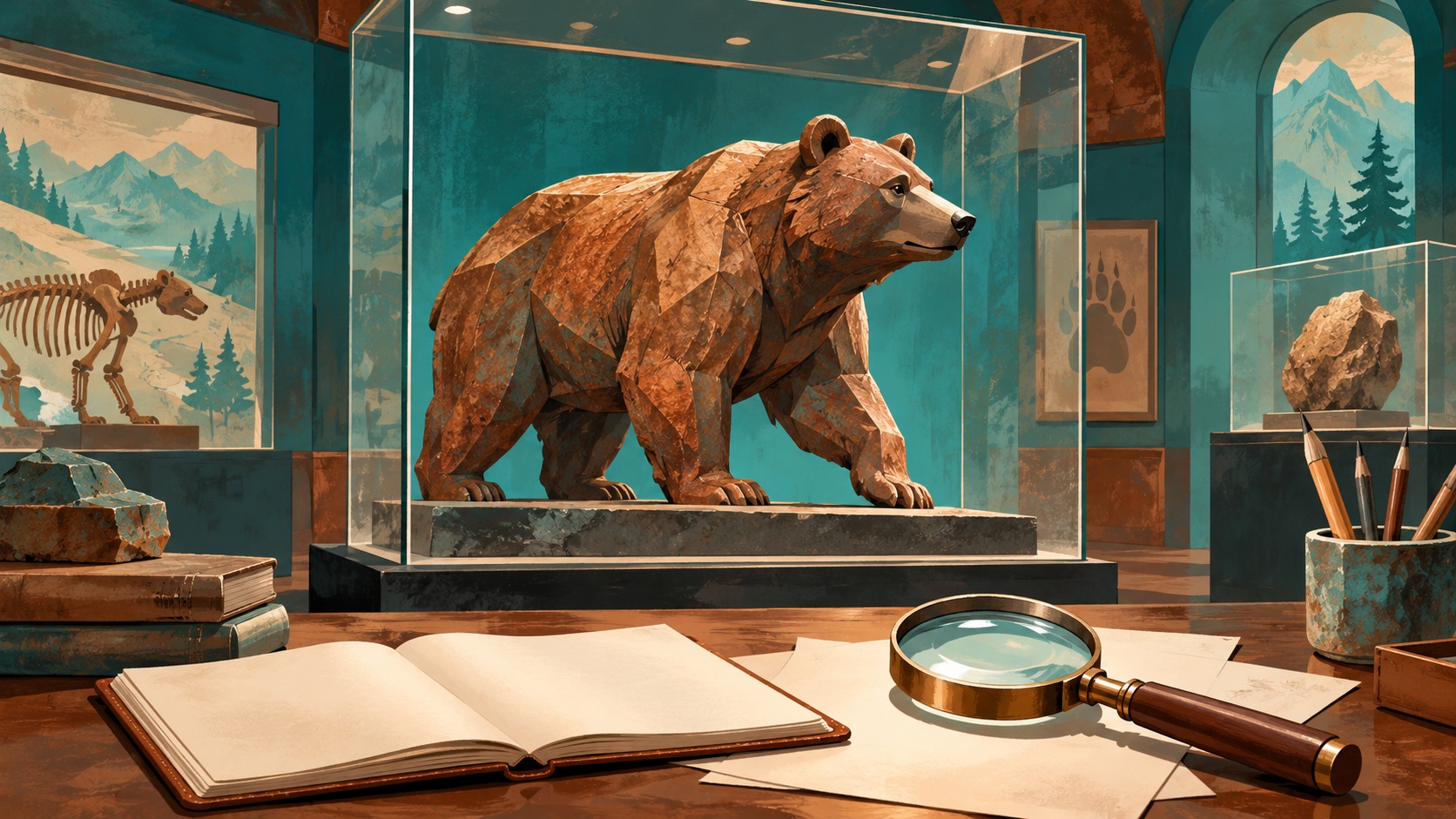
A researcher is studying hair from a preserved bear at the Museum of Chelmsford to improve wildlife-hair identification. The project explores microscopic characteristics alongside DNA. It is a research effort, not an announcement that a new technique has already solved a criminal case.

Observed Sep 7, 2026 · 7:25 PM UTC · Source-linked editorial watchlist; no measured search volume is claimed.

Read the full story and our take →

Editorial overview

What happened

A researcher is studying hair from a preserved bear at the Museum of Chelmsford to improve wildlife-hair identification. The project explores microscopic characteristics alongside DNA. It is a research effort, not an announcement that a new technique has already solved a criminal case.

Why this is being covered

Historic collections can support modern wildlife protection without disturbing living animals.

BBC News · How the hair of a museum bear is helping tackle wildlife crime

What is likely to happen next

The outlook, in plain language

Reviewed Sep 7, 2026

Watch peer-reviewed results, comparison with other specimens and independent validation. If the method proves reliable across a wider sample, its practical value will become clearer. This article does not provide forensic conclusions about any particular investigation.

This is a conditional editorial assessment, not a measured probability or a guaranteed outcome.

Connected reporting

Stories on this signal