A museum bear is helping researchers ask better forensic questions
Historic collections can support modern wildlife protection without disturbing living animals.
Verified brief
The story in 60 seconds
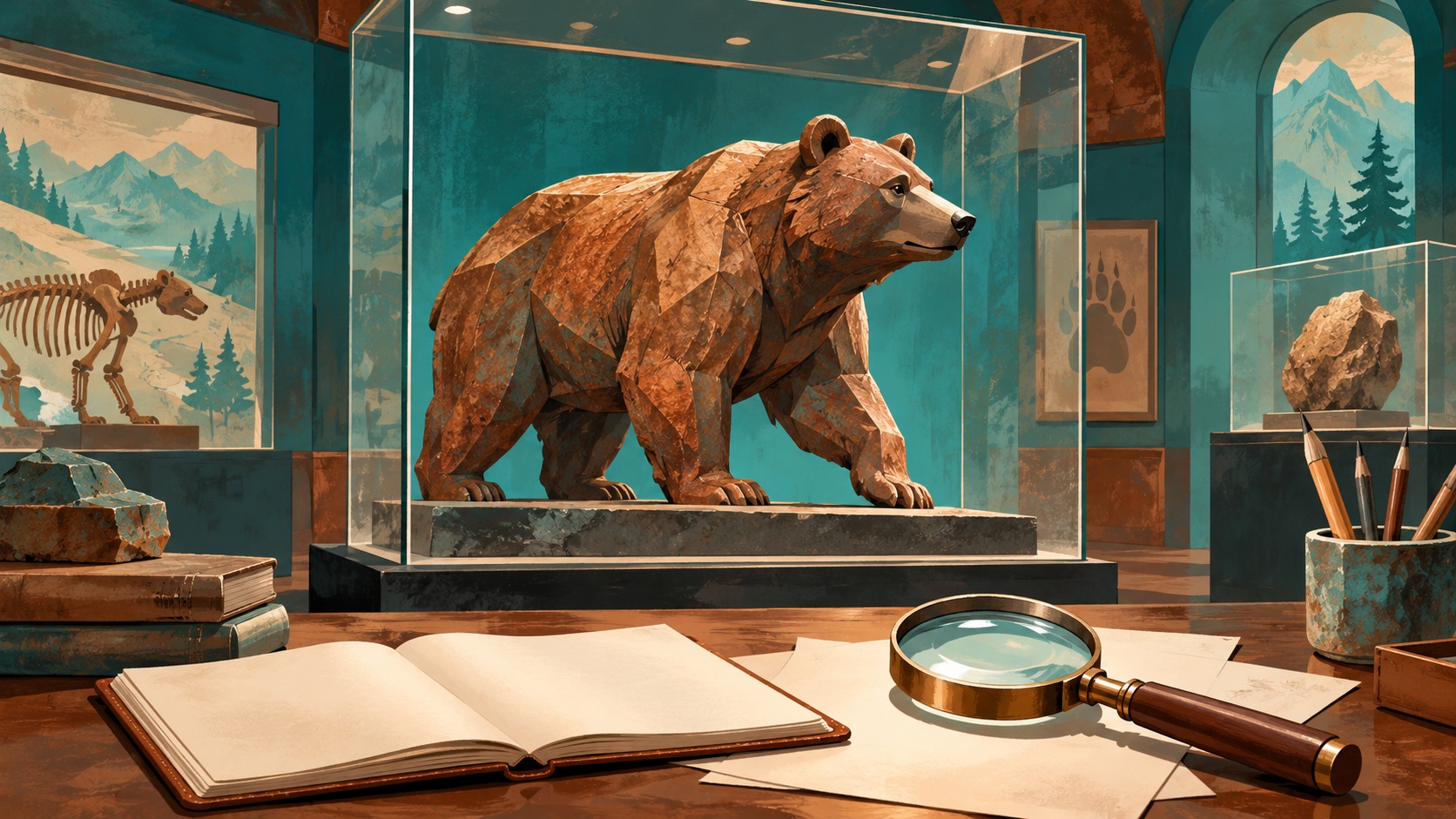
A researcher is studying hair from a preserved bear at the Museum of Chelmsford to improve wildlife-hair identification. The project explores microscopic characteristics alongside DNA. It is a research effort, not an announcement that a new technique has already solved a criminal case.
This brief and the full story below are based on the disclosed sources. SearchTrends Daily’s interpretation appears later under “Our take.”
Full reporting
The complete story
University of Staffordshire researcher Hayden Leigh is examining hair from Boris, a long-standing museum exhibit, the BBC reports. The work compares features in the hair's structure and considers variation across different areas of the animal's body. DNA is also part of the research.
The aim is to contribute to more reliable and affordable identification in wildlife investigations. The museum specimen provides material without requiring researchers to disturb a living bear. The report does not give a validated courtroom error rate or claim that microscopic examination can replace DNA in every case. Those are important limits when translating a research project into a headline about crime detection.
Source perspectives
What other reporting adds
These are the reports, official records, and trend observations used to build the story. The note under each link explains exactly what it contributes.
SearchTrends Daily opinion
Our take
Analysis
What the evidence and search signal suggest
The promising idea is to widen the evidence base for animal-hair comparison. A single specimen can support careful exploratory work, but broader validation would need to test variation between animals and possible effects of preservation. Cost-effectiveness is valuable only if it does not obscure uncertainty. Our reading is that the project illustrates a useful research route rather than a finished universal forensic solution.
Analysis and commentary are SearchTrends Daily’s interpretation. They are intentionally separated from the sourced account above.
Meaning
Why this matters
Wildlife investigations may face limited resources and difficult evidence. More accessible identification methods could help, but the method must be reliable enough for the decisions made from it.
Background
How we got here
Museum collections preserve biological material as well as cultural history. Specimens gathered for earlier purposes can become research resources when new questions or techniques emerge. Their age and preservation history also need to be considered.
Outlook
What is likely to happen next
Watch peer-reviewed results, comparison with other specimens and independent validation. If the method proves reliable across a wider sample, its practical value will become clearer. This article does not provide forensic conclusions about any particular investigation.
A conditional editorial assessment based on the evidence available at the review date, not a guaranteed outcome.
Live record
Updates to this story
No material updates yet.

Commentary
What we think
Our view: the strongest science story here is the reuse of an existing collection to answer a current problem ethically. It does not need an exaggerated claim about catching poachers immediately to be worth readers' attention.