Sotomayor and Gorsuch flag double jeopardy concern as Supreme Court declines immigration case
Two justices questioned a second illegal-reentry conviction after a man was ordered to remain in Oklahoma. The Court denied review, leaving the legal issue unresolved.
Verified brief
The story in 60 seconds
The Supreme Court denied Jesus Herrera-Salazar’s petition on October 13. In a separate statement, Justices Sonia Sotomayor and Neil Gorsuch warned that prosecuting him twice for being found in the United States, while supervision barred him from leaving, raises serious constitutional questions.
This brief and the full story below are based on the disclosed sources. SearchTrends Daily’s interpretation appears later under “Our take.”
Full reporting
The complete story
The U.S. Supreme Court declined on October 13 to hear Jesus Herrera-Salazar’s challenge to a second conviction for being found in the United States after removal. The docket records a denial of his petition, not a ruling on the constitutionality of the prosecution. In a statement accompanying that denial, Justice Sonia Sotomayor, joined by Justice Neil Gorsuch, questioned whether the government could prosecute him again for the same continuing presence.
According to the justices’ account, Herrera-Salazar pleaded guilty to a federal “found in” offense after a 2020 indictment and served a prison term. His supervised release then expressly required him to stay in the Eastern District of Oklahoma. A traffic stop in Heavener led to another charge under the same federal statute. A jury convicted him, bringing a new prison sentence and supervised release. Sotomayor said the sequence raised both a question about the statute’s reach and a possible conflict with the Fifth Amendment’s protection against double jeopardy.
Sotomayor nevertheless agreed that the Court should decline this particular petition. She pointed to the possibility that its facts were unusual and noted that Herrera-Salazar had since been removed from the United States. Neither the denial nor the two-justice statement overturned his second conviction.
Source perspectives
What other reporting adds
These are the reports, official records, and trend observations used to build the story. The note under each link explains exactly what it contributes.
Primary docket confirming the October 13 denial and the separate statement by Justices Sotomayor and Gorsuch.
Read original source ↗Cornell Legal Information InstituteHerrera-Salazar v. United States — statement of Justice SotomayorFull text of the primary judicial statement explaining the second prosecution, statutory question, double jeopardy concern and reason for declining review.
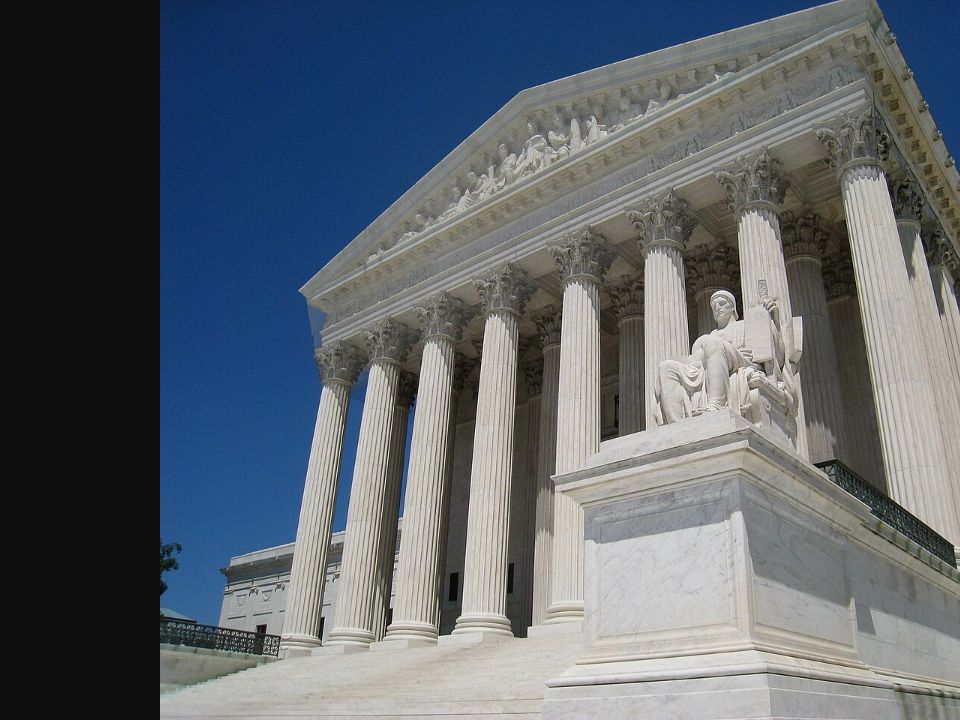
Read original source ↗Wikimedia Commons / DaderotOblique facade 2, US Supreme Court — archival image creditHero photograph by Daderot, June 2008. The photographer released it into the public domain worldwide. Archival image of the courthouse, not the people or events in this case.
Read original source ↗UPISotomayor, Gorsuch call out constitutional concern in immigration caseIndependent October 13 report corroborating the case history and the two justices’ statement.
Read original source ↗SearchTrends Daily opinion
Our take
Analysis
What the evidence and search signal suggest
The unusual feature is the government’s role in keeping Herrera-Salazar in the country during supervised release. Sotomayor’s reasoning suggests that drawing a new “found in” charge from a later encounter, without a new departure and reentry, could make one continuous episode punishable repeatedly. That is her stated concern, not a holding of the Supreme Court.
Analysis and commentary are SearchTrends Daily’s interpretation. They are intentionally separated from the sourced account above.
Meaning
Why this matters
The case exposes a legal tension with practical consequences: a person ordered by a court to remain in a particular U.S. district could face another criminal case for remaining in the country. The justices did not resolve whether the statute allows that result or whether the Constitution forbids it, so lower courts and prosecutors still face the question if similar facts recur.
Background
How we got here
Federal law, 8 U.S.C. §1326(a), criminalizes certain forms of reentry or presence after removal, including being “found in” the United States. Herrera-Salazar argued that the later prosecution arose from the same uninterrupted presence for which he had already been punished. The Tenth Circuit rejected his double-jeopardy argument; the Supreme Court docket lists that court as the decision under review. The Fifth Amendment bars a second prosecution for the same offense after conviction, but how that rule applies to a continuing offense was the disputed point here.
Outlook
What is likely to happen next
The petition is closed following the denial. If a similar prosecution reaches the courts, defendants may cite the Sotomayor–Gorsuch statement, but it does not bind lower courts. Any broader rule would require a later judicial decision or a change to the law.
A conditional editorial assessment based on the evidence available at the review date, not a guaranteed outcome.
Live record
Updates to this story
No material updates yet.



Commentary
What we think
Editorial view: A court order requiring someone to stay in the United States should not be treated casually as an opportunity for another prosecution for being here. The two justices identified a serious fairness problem. The statutory and constitutional answers, however, remain for a court deciding a future case on its merits.