Kenora could keep daylight time year-round as Ontario moves to match Manitoba
Ontario plans a targeted clock change for Kenora and nearby central-time communities. It is a proposal, not yet a province-wide shift.
Verified brief
The story in 60 seconds
Northwestern Ontario communities aligned with Manitoba may skip the November 1 clock change under a proposed Ontario regulation. Eastern-time Ontario would still change clocks.
This brief and the full story below are based on the disclosed sources. SearchTrends Daily’s interpretation appears later under “Our take.”
Full reporting
The complete story
Ontario announced on October 13 that it intends to keep daylight saving time year-round in Kenora and northwestern communities that have historically followed Manitoba’s clock. The government says it aims to put a regulation in place by November 1, 2026. If it does, affected communities that usually turn their clocks back that day would stay on their current time. The rest of Ontario, including communities in the eastern time zone, would continue changing clocks twice a year.
The proposal applies to the part of northwestern Ontario west of the 90th meridian, according to the province. It is a regional measure under the Time Act, not a declaration that all of Ontario has adopted permanent daylight time. Ontario says it consulted local communities and Indigenous leaders and found strong support for staying aligned with Manitoba. The government has not yet announced that the regulation is in force.
Source perspectives
What other reporting adds
These are the reports, official records, and trend observations used to build the story. The note under each link explains exactly what it contributes.
Primary source for proposed regional regulation, target date, affected central-time area and the distinction from eastern-time Ontario.
Read original source ↗Government of ManitobaManitoba Will Move to Permanent Daylight Saving TimePrimary source for Manitoba’s September 17 decision to retain daylight time beginning November 1 and the survey figures.
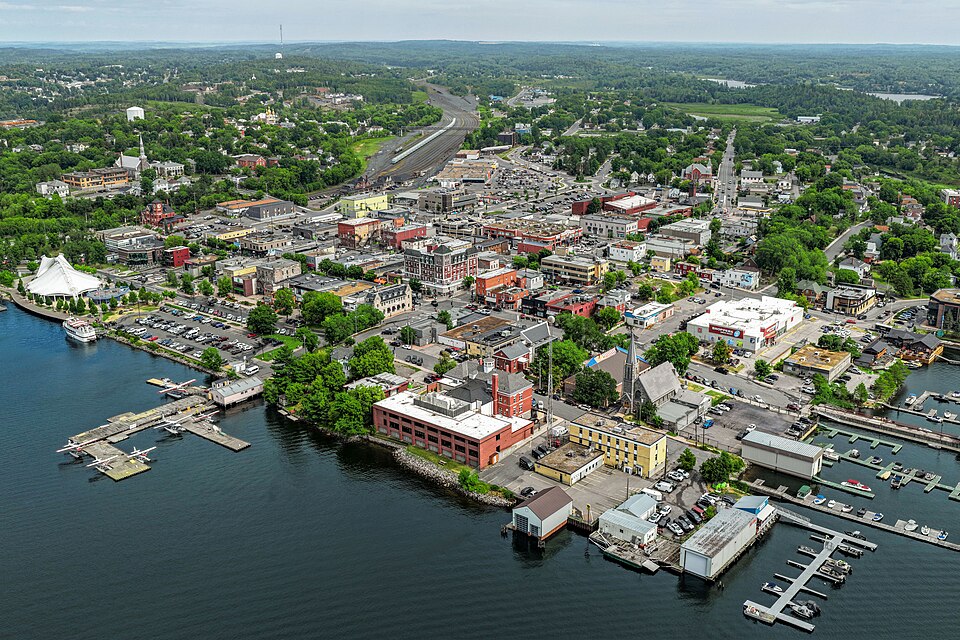
Read original source ↗Wikimedia CommonsKenora, Ontario — photo by Quintin Soloviev (CC BY 4.0)Hero image source and creator. Aerial photograph of downtown Kenora taken August 20, 2026 by Quintin Soloviev; resized to 960 × 640 pixels for this article. Displayed framing varies by page layout.
Read original source ↗Creative CommonsCC BY 4.0 license for Kenora hero photographReuse terms for the credited Quintin Soloviev Kenora photograph. This article uses a 960 × 640 resized rendition; displayed framing varies by page layout.
Read original source ↗SearchTrends Daily opinion
Our take
Analysis
What the evidence and search signal suggest
The narrow geographic scope is the key to understanding this announcement. The province is responding to a neighbouring jurisdiction’s decision while leaving its eastern-time communities on the existing seasonal schedule. Whether the regional approach remains stable will depend on final regulation text and how cross-border services adapt.
Analysis and commentary are SearchTrends Daily’s interpretation. They are intentionally separated from the sourced account above.
Meaning
Why this matters
The difference is practical for people who cross the Ontario–Manitoba boundary or arrange care, travel and business across it. Manitoba has decided to stay on daylight saving time from November 1. Without a corresponding Ontario change, neighbouring places that now share a clock could be an hour apart in winter. Residents should still check official local guidance before changing schedules: Ontario has announced an intended regulation, not a completed rule.
Background
How we got here
Manitoba announced permanent daylight saving time on September 17 after a provincial survey. Ontario’s central-time communities have long kept time with Manitoba. Ontario also passed the Time Amendment Act in 2020, which could establish permanent daylight time province-wide if brought into force, but that broader measure remains separate from this proposed regional regulation.
Image: Downtown Kenora photographed by Quintin Soloviev in August 2026, via Wikimedia Commons, CC BY 4.0. Resized to 960 × 640 pixels; displayed framing varies by page layout.
Outlook
What is likely to happen next
Ontario says it will keep working with local leaders as it advances the regulation. The next decisive step is publication of the final rule, including the exact communities covered and effective date. If it takes effect as planned, affected residents will not turn their clocks back on November 1; eastern-time Ontario will continue the seasonal change.
A conditional editorial assessment based on the evidence available at the review date, not a guaranteed outcome.
Live record
Updates to this story
No material updates yet.


Commentary
What we think
Our view: a clear map and a list of affected communities would make this change easier to follow than a province-wide headline. Until the regulation is published, readers should treat November 1 as the government’s target date, not a guaranteed effective date.