Shamonda virus found at two British farms: what officials say
APHA announced detections in Powys and Shropshire. Officials describe the current risk to the general population as very low, with no evidence of wider human transmission.
Verified brief
The story in 60 seconds
Shamonda virus was detected in cattle at two dairy farms in October; APHA announced the findings November 2. The livestock detections and the assessment of human risk are distinct findings.
This brief and the full story below are based on the disclosed sources. SearchTrends Daily’s interpretation appears later under “Our take.”
Full reporting
The complete story
The Animal and Plant Health Agency says its Weybridge laboratories detected Shamonda virus in cattle from one dairy farm in Powys, Wales, and another in Shropshire, England. These are the first livestock detections announced for Great Britain.
The samples were tested in October 2026. November 2 is the announcement date, rather than evidence that both farms became infected that day. APHA says the virus is thought to spread primarily through Culicoides biting midges.
APHA reports no evidence of wider transmission among humans and describes the current risk to the general population as very low. Its notice also relays the Food Standards Agency’s assessment that there is currently no evidence of a food-safety risk.
Source perspectives
What other reporting adds
These are the reports, official records, and trend observations used to build the story. The note under each link explains exactly what it contributes.
Primary announcement establishes October cattle detections in Powys and Shropshire, current surveillance position and the UKHSA and FSA assessments relayed by APHA.
Read original source ↗AHDBShamonda virus detected in Europe — November 2, 2026Agriculture-industry levy body briefing describes animal species, reported livestock signs, diagnostic testing and veterinary contact guidance. Not independent human-health research.
Read original source ↗Associated PressFrance reports first human case of livestock virus Shamonda in patient who later died — October 22, 2026Independent reporting supplies dated French human-case context. It is not evidence of a British human case or wider human spread.
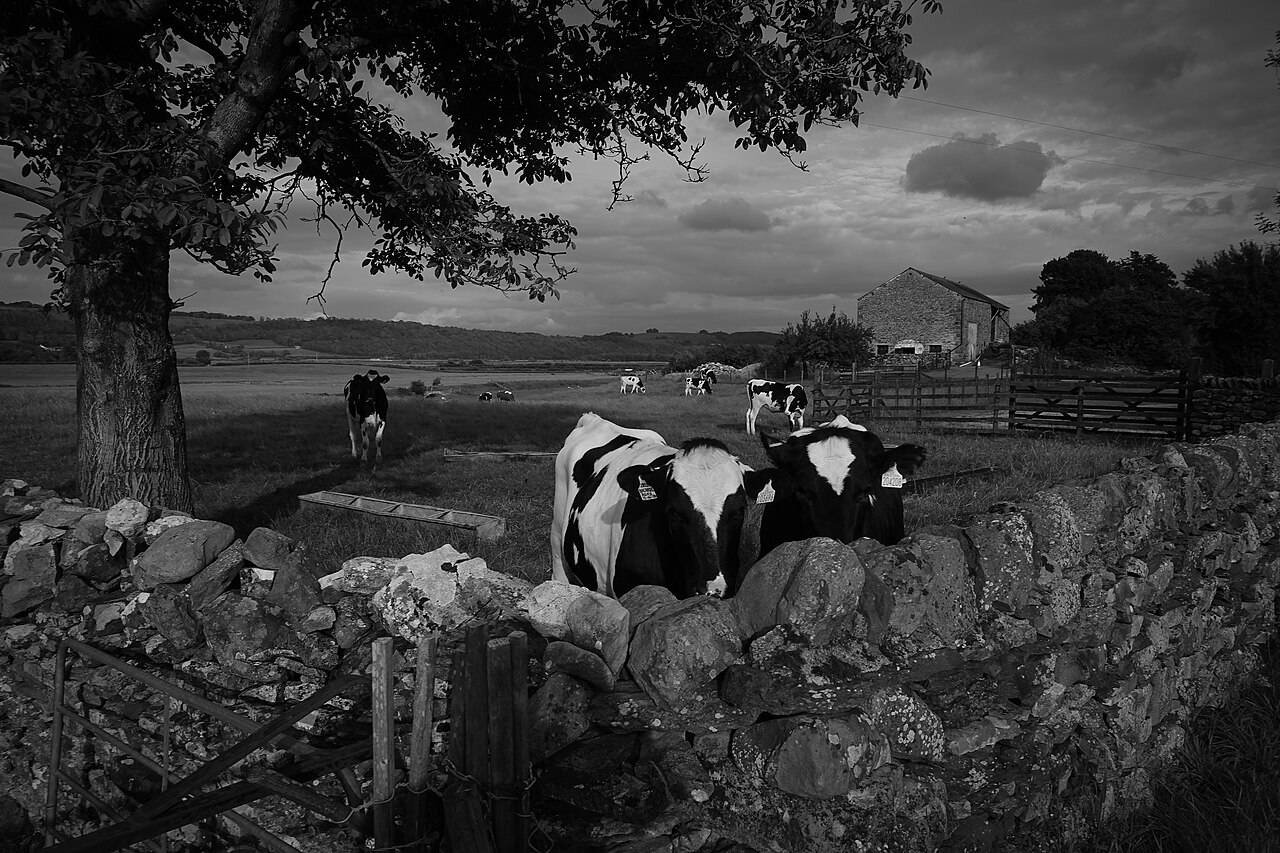
Read original source ↗Wikimedia Commons / BovarsCows in Lyth valley — June 23, 2025; CC0 1.0Archival image location, date, author and public-domain dedication verified on the file page. Does not show the affected farms or identified infected animals.
Read original source ↗SearchTrends Daily opinion
Our take
Analysis
What the evidence and search signal suggest
Our assessment: the useful distinction is between where infection has been detected in animals and what evidence exists about human transmission. Both can change as surveillance develops. The present official risk assessment is time-specific; it should not be rewritten as either a guarantee of zero risk or evidence of a general human epidemic.
Analysis and commentary are SearchTrends Daily’s interpretation. They are intentionally separated from the sourced account above.
Meaning
Why this matters
The findings extend the documented animal-health picture into England and Wales. They do not establish a widespread human outbreak. APHA says additional disease-control measures are not currently supported by the evidence, while surveillance and review continue.
Background
How we got here
The agriculture levy body AHDB’s November 2 briefing describes Shamonda as belonging to the same group of viruses as Schmallenberg. It says cattle are mainly affected, although infection has also been found in horses, sheep and goats. Reported livestock signs include fever, diarrhoea, lethargy and lower milk production; fertility problems are also possible. These descriptions are not a diagnosis of any particular animal.
Separately, Associated Press reported October 22 that French authorities had identified infection in a severely immunocompromised patient who subsequently died. That is earlier French reporting, not a newly reported human case in Britain. Detection in a patient who died does not by itself establish the cause of death.
Outlook
What is likely to happen next
APHA says it and the relevant governments will continue monitoring the situation and review their response as evidence develops. Its announcement directs livestock keepers with concerns to their private veterinarian; AHDB likewise points owners to veterinary advice and APHA diagnostic testing. This briefing reports those official positions and does not provide individual medical or veterinary treatment advice.
Image credit: Bovars / Wikimedia Commons, CC0 1.0. Archival photograph of cattle in the Lyth Valley, Cumbria, June 23, 2025. These are not the affected farms or identified infected animals; the monochrome photograph illustrates livestock context.
A conditional editorial assessment based on the evidence available at the review date, not a guaranteed outcome.
Live record
Updates to this story
No material updates yet.



Commentary
What we think
Clear reporting should keep the October sampling, November announcement and earlier French human case on separate timelines.