Nepal flash flood forces Budhi Gandaki evacuations; five reported missing
A landslide blocked the river before a surge swept through Gorkha district. Rescuers evacuated residents as bridges and homes were lost; damage assessments are still changing.
Verified brief
The story in 60 seconds
A landslide-triggered flash flood struck Nepal’s Budhi Gandaki valley on 11 October. Authorities reported five people missing, ordered evacuations and deployed rescue teams. The UN says damaged bridges, roads and hydropower facilities are disrupting access; the full toll remains under assessment.
This brief and the full story below are based on the disclosed sources. SearchTrends Daily’s interpretation appears later under “Our take.”
Full reporting
The complete story
Residents along Nepal’s Budhi Gandaki River fled to safer ground on Sunday after a landslide blocked the river and a sudden release sent floodwater downstream through Gorkha district. The national disaster agency reported five people missing. Homes, bridges, power lines and a hydropower construction site were damaged or swept away, according to the Associated Press and local officials.
Rescue figures changed through the day. AP reported that Nepal’s army had rescued 49 people by Sunday afternoon. A later AFP report, citing the disaster agency, put the number rescued from affected areas at 82, including nine foreign nationals, and said four helicopters had been deployed. Those are time-specific reports, not separate totals to add together. Officials were still checking settlements in difficult terrain, so the missing and damage counts may change.
The immediate cause reported by the disaster agency was a landslide that formed a temporary barrier near Chumchure. Water built up behind it and surged downstream when the barrier gave way. A local relief organisation’s initial situation report described similar landslide-dam behaviour and warned that renewed blockages could send further surges. Authorities warned downstream communities to remain clear of the river.
The United Nations in Nepal said initial assessments showed damage to roads, bridges and hydropower facilities that was cutting off access and affecting hundreds of households. It said UN teams were supporting government assessments, satellite imagery and delivery of food and other supplies. This is a developing emergency; the article does not treat early damage estimates as a final toll.
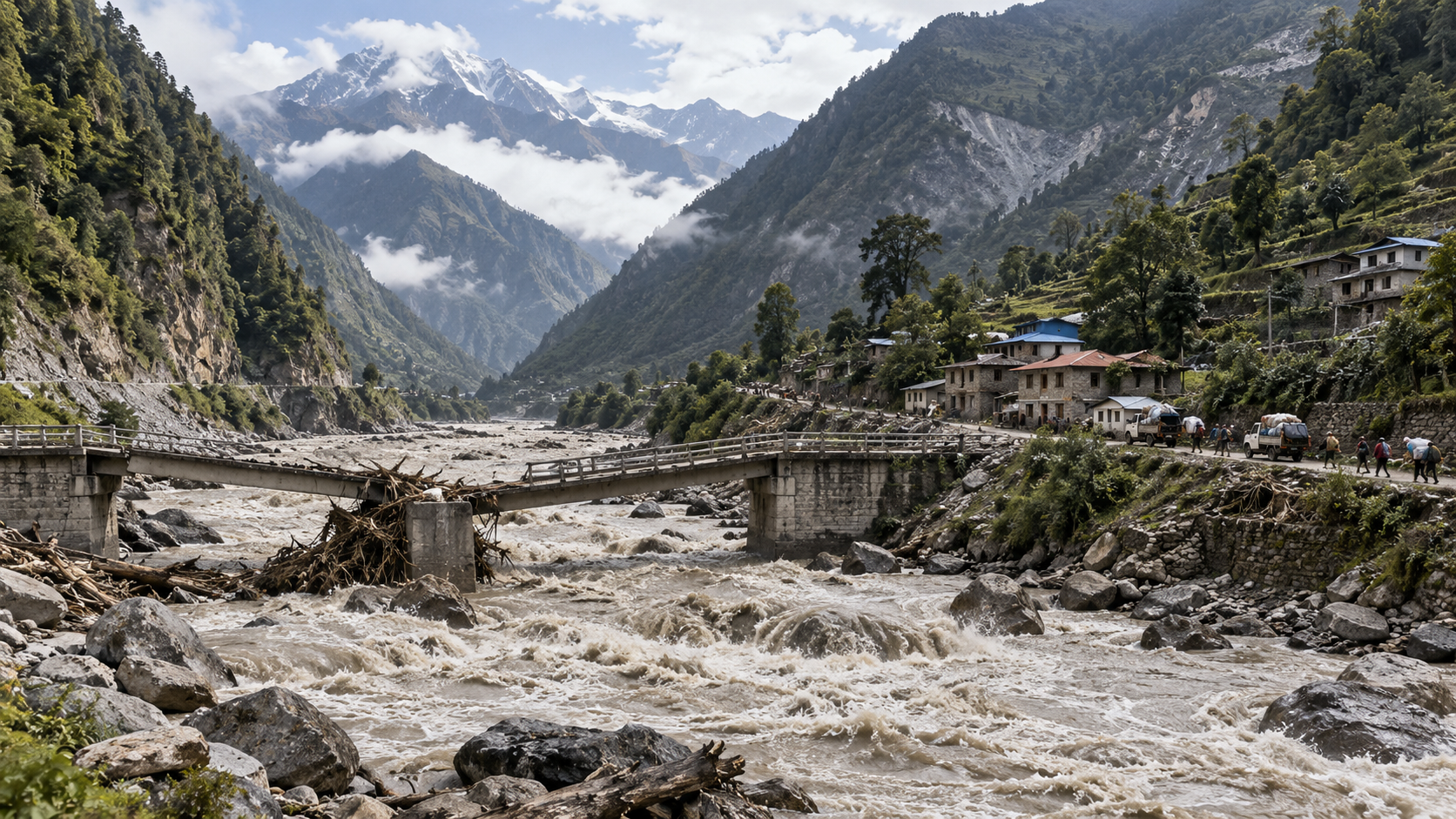
Image: AI-generated conceptual editorial illustration created for SearchTrends Daily using OpenAI. It does not depict the actual Budhi Gandaki flood or affected residents.
Source perspectives
What other reporting adds
These are the reports, official records, and trend observations used to build the story. The note under each link explains exactly what it contributes.
Independent reporting on the landslide-dam flood, five missing, early damage and 49 rescued by Sunday afternoon.
Read original source ↗United Nations in NepalUN Nepal Statement: Budhi Gandaki River FloodingPrimary UN statement on damaged infrastructure, households affected, rapid assessment and aid response.
Read original source ↗AFP via Channels TelevisionNepal flash floods sweep away houses, five people missingLater Sunday report citing Nepal disaster agency: 82 rescued including nine foreigners, five unaccounted for and four helicopters deployed.
Read original source ↗Bagmati Welfare Society NepalBudhi Gandaki Flood: Situation Report No. 1Local relief organisation’s early assessment of landslide-dam mechanism, damaged access and possible renewed surge; figures are preliminary.
Read original source ↗SearchTrends Daily opinion
Our take
Analysis
What the evidence and search signal suggest
The most consequential fact beyond the initial surge is damaged access. Broken bridges and roads can slow searches and relief even after river levels fall. The apparent gap between early and later rescue numbers reflects reports taken at different points on Sunday; it is not evidence of a contradictory final tally. The full scale of harm will depend on assessments in settlements that rescue teams have yet to reach.
Analysis and commentary are SearchTrends Daily’s interpretation. They are intentionally separated from the sourced account above.
Meaning
Why this matters
The flood has severed transport and communications in remote communities, making rescue and supply delivery harder even where residents escaped the initial surge. The UN says hundreds of households may be affected. Accurate, updated warnings matter because a river briefly dammed by a landslide can surge again if debris blocks and releases the flow. Readers in affected areas should follow Nepal’s official local alerts rather than relying on a fixed figure in an early news report.
Background
How we got here
The Budhi Gandaki runs through steep Himalayan terrain and joins the Trishuli downstream. In August 2026, a separate catastrophic flood struck the Nepal–China border area; the new Gorkha flood is a distinct event and its reported missing count should not be combined with the earlier disaster. The October incident began with a landslide-dammed river, according to the disaster agency, rather than a confirmed glacier failure.
Outlook
What is likely to happen next
Nepalese rescue teams are expected to continue searches and assess bridges, homes and utilities. The UN says it is helping with rapid assessment, mapping and supplies. Further official reports may revise the missing and rescued counts; downstream warnings should be checked as river conditions change.
A conditional editorial assessment based on the evidence available at the review date, not a guaranteed outcome.
Live record
Updates to this story
No material updates yet.


Commentary
What we think
Our view: the emphasis should remain on verified safety information and the needs of affected communities. Viral flood videos convey urgency but rarely establish location, timing or the number of people at risk. Official assessments and local responders are the sounder basis for updates.