Federal agents search Ilhan Omar’s home; DOJ confirms warrant but not allegations
A Justice Department spokesperson says agents executed a court-authorized warrant at the congresswoman’s Washington home. The department has not disclosed the scope of the investigation or filed charges.

Verified brief
The story in 60 seconds
Federal agents searched Rep. Ilhan Omar’s Washington home on October 12 under a judicially authorized warrant. The Justice Department has not identified charges; Omar calls the search political intimidation.
This brief and the full story below are based on the disclosed sources. SearchTrends Daily’s interpretation appears later under “Our take.”
Full reporting
The complete story
Federal agents searched Rep. Ilhan Omar’s home in Washington on Monday, October 12. A Justice Department spokesperson confirmed to Axios that Homeland Security Investigations agents executed a judicially authorized search warrant in an ongoing federal criminal investigation. The department did not publicly identify the specific allegations, the evidence sought or any charges. A search warrant is an investigative step, not a finding of wrongdoing.
Omar, a Minnesota Democrat, said she was safe and characterized the search as an effort to target a political opponent. Her office said she had done nothing wrong. President Donald Trump said he had not directed the search, according to reporting by Axios and The Associated Press.
Some outlets have reported that the investigation may concern immigration paperwork. The government’s public confirmation available so far does not establish that as the search’s precise scope. No allegation about Omar’s immigration history should be treated as proven on the basis of the search alone.
Source perspectives
What other reporting adds
These are the reports, official records, and trend observations used to build the story. The note under each link explains exactly what it contributes.
DOJ confirmation of judicial warrant, Omar response and account of scope still undisclosed.
Read original source ↗Associated PressFederal agents search Ilhan Omar’s homeIndependent reporting on the home search, DOJ confirmation, political responses and absence of disclosed charges.
Read original source ↗SearchTrends Daily opinion
Our take
Analysis
What the evidence and search signal suggest
The warrant confirms that a judge authorized a search, but the underlying affidavit is not public in the reporting reviewed here. Without it, sweeping claims about motive or guilt go beyond the available evidence. The election calendar heightens scrutiny of both the investigative decision and how officials explain it.
Analysis and commentary are SearchTrends Daily’s interpretation. They are intentionally separated from the sourced account above.
Meaning
Why this matters
The search of a sitting member of Congress is a serious investigative action with obvious political consequences, particularly weeks before a US election. The public needs to distinguish the confirmed warrant from claims about the investigation’s purpose and from any eventual charges or court findings.
Background
How we got here
Omar has been a prominent critic of the administration’s immigration policies. Trump has repeatedly attacked her in public. Those political disputes form the context of the reaction to the search, but they do not reveal why a judge authorized the warrant or what investigators may ultimately establish.
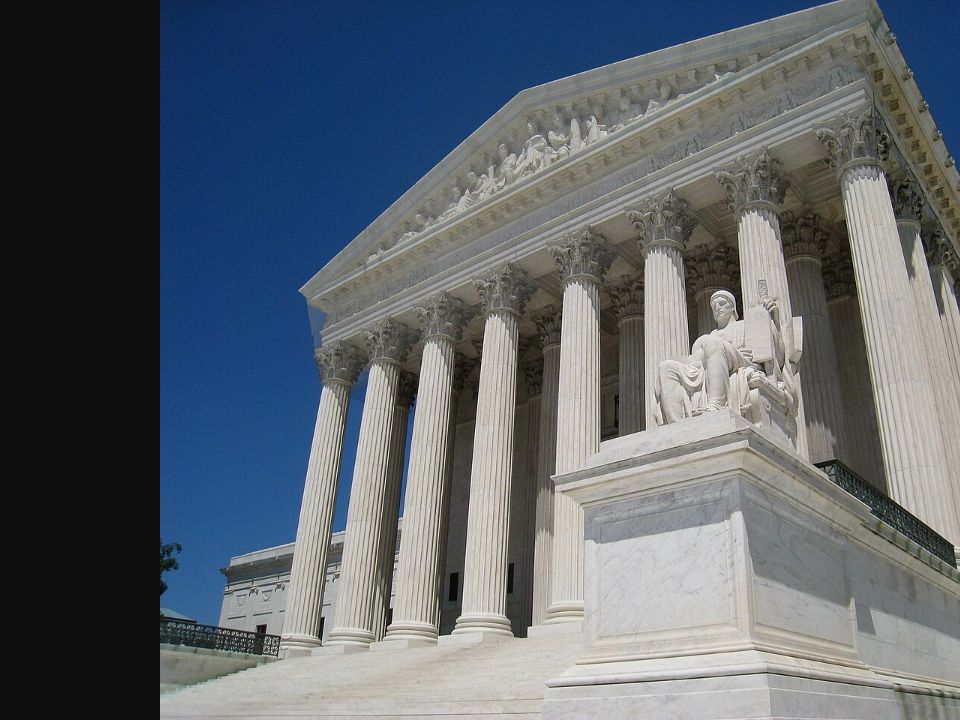
Image: Original AI-generated conceptual illustration by SearchTrends Daily; it does not depict Omar’s home, agents or the actual search.
Outlook
What is likely to happen next
Court filings, a formal Justice Department statement or any charging decision may clarify the scope of the inquiry. Omar and her attorneys may also challenge the search or release further information. Until then, the central unanswered question is what the warrant actually sought.
A conditional editorial assessment based on the evidence available at the review date, not a guaranteed outcome.
Live record
Updates to this story
No material updates yet.


Commentary
What we think
A democracy should be able to scrutinize a member of Congress and scrutinize the government that investigates her. Neither task is served by treating political accusations as evidence or by assuming that a search settles a criminal case.