DR Congo: 30.3m projected to face acute hunger in early 2027
A joint UN warning links worsening hunger with conflict and disease outbreaks. The January–June 2027 projection is distinct from the current estimate.
Verified brief
The story in 60 seconds
FAO, WFP, UNICEF and WHO warn that 30.3 million people in DR Congo are projected to face Crisis-level acute food insecurity or worse in January–June 2027. That total includes 4.2 million at Emergency level.
This brief and the full story below are based on the disclosed sources. SearchTrends Daily’s interpretation appears later under “Our take.”
Full reporting
The complete story
Four UN agencies issued a joint warning on November 13, citing the latest Integrated Food Security Phase Classification analysis. Their projection for January–June 2027 is 30.3 million people in Crisis or worse, including 4.2 million in Emergency.
For September–December 2026, the release estimates nearly 29 million in Crisis or worse, including 3.6 million in Emergency. Phase 4 is already included in the Phase 3-or-above total: the figures must not be added together. This is not a declaration of famine.
The agencies link conflict, displacement and food prices with outbreaks including Ebola and cholera, and disrupted access to health care, water and sanitation.
Anadolu’s November 13 report separately cites WFP’s estimate of 28.8 million currently facing acute food insecurity and a projection above 30 million in early 2027. It reports conflict-related barriers to land, farming and markets in the hardest-hit eastern provinces.
Source perspectives
What other reporting adds
These are the reports, official records, and trend observations used to build the story. The note under each link explains exactly what it contributes.
November 13 joint warning: current and projected IPC periods, nested Phase 3/4 totals, links between hunger and health-service disruption, and requested response.
Read original source ↗AnadoluHunger crisis deepens in DR Congo as 28.8M face acute food insecurity: WFPJames Tasamba’s November 13 independent report, read in full: WFP current estimate, early-2027 projection and conflict-related barriers to livelihoods.
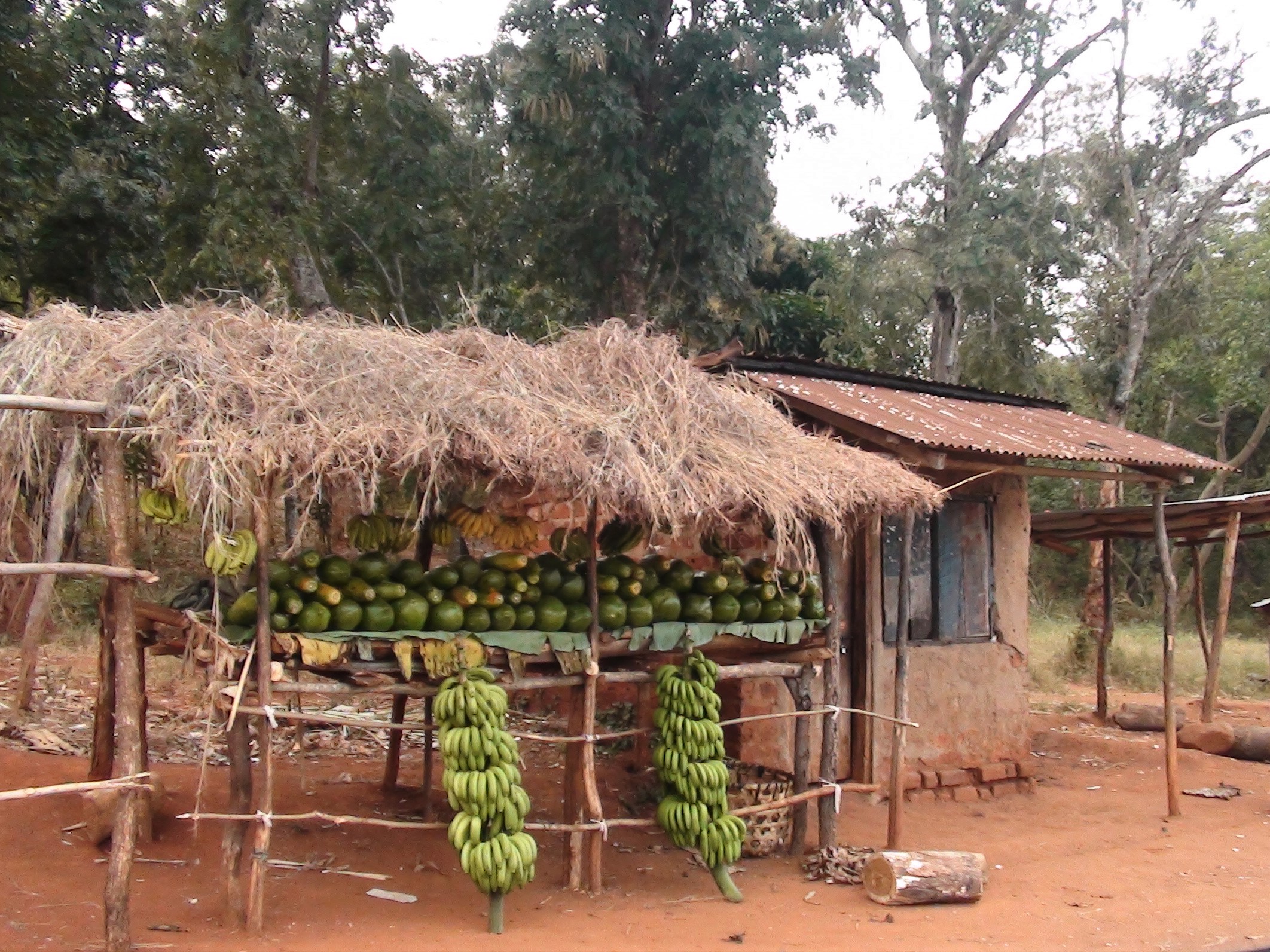
Read original source ↗Wikimedia Commons / SofiaStorlMercado Congo.jpgMarch 15, 2019 archive fruit-stall photograph, creator and CC BY-SA 4.0 licence; visually checked before use.
Read original source ↗SearchTrends Daily opinion
Our take
Analysis
What the evidence and search signal suggest
Our assessment: the periods and severity levels matter. A projected increase signals planning needs; it does not mean the forecast has already occurred or establish famine conditions.
Analysis and commentary are SearchTrends Daily’s interpretation. They are intentionally separated from the sourced account above.
Meaning
Why this matters
The warning concerns overlapping food and health emergencies: disrupted livelihoods and basic services can compound one another, especially for young children.
Background
How we got here
The new joint warning cites IPC analysis; the projected January–June 2027 conditions are not an observed outcome or a count of Ebola infections.
Outlook
What is likely to happen next
The agencies call for financing, food and agricultural support, essential health services and safe humanitarian access. Those are requested actions, not confirmed deliveries.
Image credit: SofiaStorl, Wikimedia Commons, CC BY-SA 4.0 (https://creativecommons.org/licenses/by-sa/4.0/). “Mercado Congo”, March 15, 2019: an archive fruit stall in DR Congo. Displayed with the site’s crop; adaptations remain available under the same licence. General food-market context, not a photograph of the 2026 hunger crisis, an outbreak or affected patients.
A conditional editorial assessment based on the evidence available at the review date, not a guaranteed outcome.
Live record
Updates to this story
No material updates yet.



Commentary
What we think
Reporting on hunger should preserve those distinctions and avoid presenting an archive image as evidence of current conditions.