FDA orders GLP-1 label warnings on potential rare eye risk
The US action covers medicines including Ozempic, Wegovy, Mounjaro and Zepbound. The notice describes a potential increased risk of NAION.
Verified brief
The story in 60 seconds
The FDA’s November 9 safety communication requires GLP-1 medicine labels to address a rare eye condition. Reuters independently reports the change, including the affected Novo Nordisk and Eli Lilly brands.
This brief and the full story below are based on the disclosed sources. SearchTrends Daily’s interpretation appears later under “Our take.”
Full reporting
The complete story
The regulator is requiring information about non-arteritic anterior ischemic optic neuropathy, or NAION, in the warnings and precautions section of GLP-1 labels. NAION is a rare optic-nerve condition that can cause permanent vision loss. Reuters’ November 9 report corroborates the action and names Ozempic, Wegovy, Mounjaro and Zepbound among the products involved.
FDA’s pooled analysis of 126 trials found 6.4 NAION events per 100,000 person-years with GLP-1 medicines versus 3.8 with placebo or other glucose-lowering medicines. Person-years combine observation time, rather than counting doses.
FDA notes overlapping underlying risk factors complicate spontaneous reports. Its animal review identified no mechanism explaining a potential increase.
Source perspectives
What other reporting adds
These are the reports, official records, and trend observations used to build the story. The note under each link explains exactly what it contributes.
Original labeling requirement, trial incidence figures, evidence review and uncertainties about a potential NAION risk.
Read original source ↗ReutersUS FDA orders new eye risk warnings for Ozempic, ZepboundIndependent November 9 report corroborating the US action and naming Novo Nordisk’s and Eli Lilly’s affected medicines.
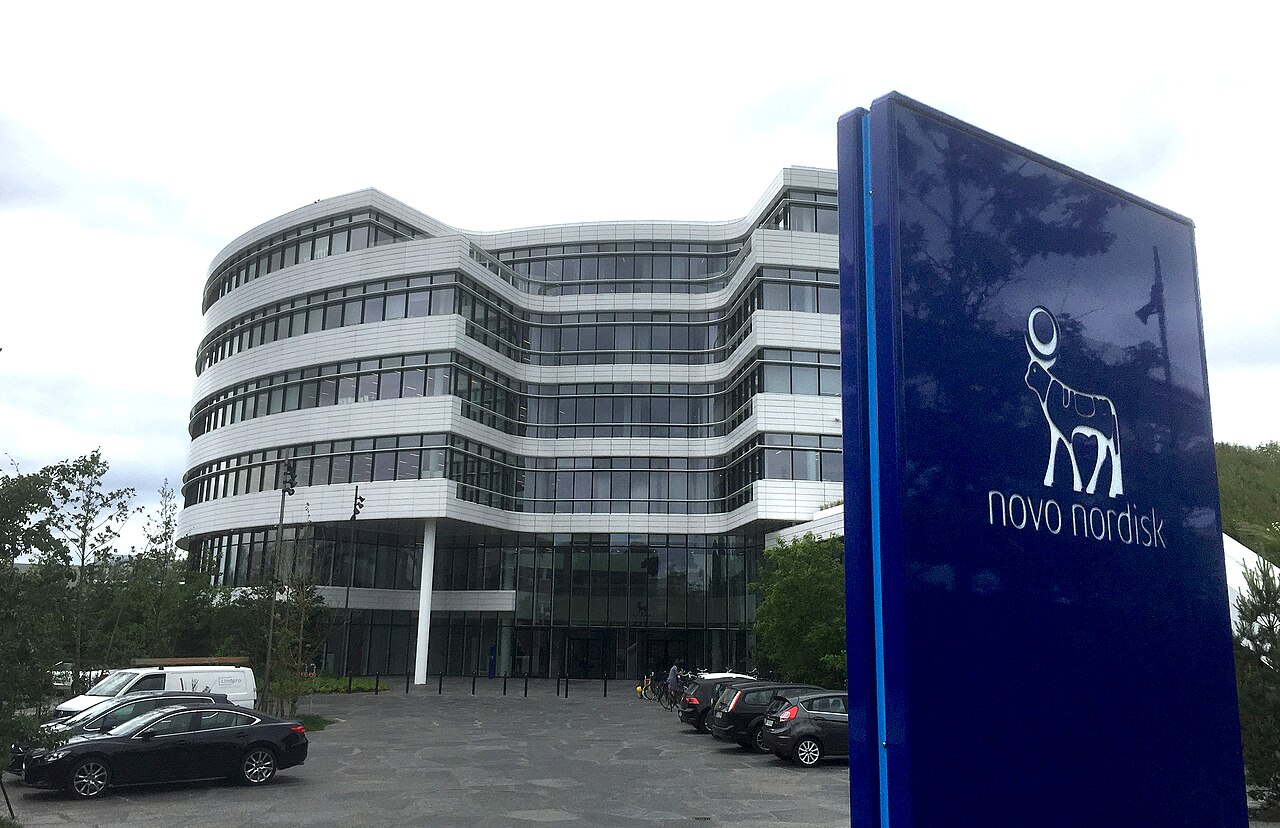
Read original source ↗Wikimedia Commons / News Øresund – Johan WessmanNovo Nordisk headquarters building Denmark — image source and licenceArchival June 8, 2016 company photograph and reviewed CC BY 3.0 licence; not a photograph of the FDA announcement.
Read original source ↗SearchTrends Daily opinion
Our take
Analysis
What the evidence and search signal suggest
Our assessment: the evidence supports reporting FDA’s stated potential risk. It does not support treating the pooled trial rate as a prediction for an individual or assuming identical risk across every product.
Analysis and commentary are SearchTrends Daily’s interpretation. They are intentionally separated from the sourced account above.
Meaning
Why this matters
The development changes the information manufacturers must provide. The distinction between a regulatory warning and a personal risk estimate matters when interpreting a headline.
Background
How we got here
FDA’s review followed a 2024 semaglutide study and covered clinical, animal and postmarketing evidence.
Outlook
What is likely to happen next
The original notice provides the regulator’s full evidence review and product list. This report follows the US labeling action; it makes no treatment recommendation or claim about labels in other countries.
Image credit: © News Øresund – Johan Wessman, via Wikimedia Commons, CC BY 3.0 (https://creativecommons.org/licenses/by/3.0/). Archival June 8, 2016 photograph of Novo Nordisk’s headquarters in Bagsværd, Denmark. Original source: https://www.flickr.com/photos/newsoresund/29190030262. It depicts one manufacturer, not the FDA, Eli Lilly, an affected patient or the November 2026 announcement. Site display may crop the image.
A conditional editorial assessment based on the evidence available at the review date, not a guaranteed outcome.
Live record
Updates to this story
No material updates yet.

Commentary
What we think
Clear coverage should identify the regulatory action, keep the uncertainty visible and avoid sensational shorthand about blindness.