Carney urges Canadian unity before Alberta’s October 19 referendum
The prime minister used a Thanksgiving message to argue against a path toward separation. The ballot asks Albertans whether to stay in Canada or begin a legal process for a later binding vote.
Verified brief
The story in 60 seconds
Prime Minister Mark Carney urged Albertans to remain in Canada ahead of an October 19 vote. Elections Alberta says the separation question is non-binding and would start a process toward a later binding referendum.
This brief and the full story below are based on the disclosed sources. SearchTrends Daily’s interpretation appears later under “Our take.”
Full reporting
The complete story
Prime Minister Mark Carney used his October 12 Thanksgiving message to appeal for Canadian unity one week before Alberta’s referendum. In the transcript published by the prime minister’s office, he argued that Canada is stronger together and described a move toward separation as the start of a long, uncertain process.
Elections Alberta says the October 19 ballot asks voters to choose between Alberta remaining a province of Canada and the provincial government beginning the constitutional process required to hold a later binding referendum on separation. The October 19 question itself is non-binding. A vote for the second option would therefore not make Alberta independent on election night.
The separation question is one of ten on separate ballots. Elections Alberta lists other questions on immigration, voting eligibility and constitutional changes. Voters should read the official question wording and voting guidance from Elections Alberta rather than rely on a shortened slogan.
Source perspectives
What other reporting adds
These are the reports, official records, and trend observations used to build the story. The note under each link explains exactly what it contributes.
Official October 19 date, ten ballot questions, non-binding status and separation question wording.
Read original source ↗Prime Minister of CanadaPrime Minister Carney’s message on ThanksgivingOfficial transcript of Carney’s October 12 appeal for Canadian unity.
Read original source ↗SearchTrends Daily opinion
Our take
Analysis
What the evidence and search signal suggest
Carney’s message elevates the national stakes of a provincial ballot. The central procedural distinction is easy to miss: the October vote concerns whether to initiate steps toward a future binding referendum. The result could intensify negotiations even if no constitutional change follows immediately.
Analysis and commentary are SearchTrends Daily’s interpretation. They are intentionally separated from the sourced account above.
Meaning
Why this matters
The vote could give Alberta’s government a political mandate to pursue a complex constitutional process, or signal support for remaining in Canada. Either outcome would shape provincial and national debate. The non-binding design means it is a decision about the next step, not an immediate legal separation.
Background
How we got here
Alberta’s government set the referendum for October 19. Elections Alberta publishes the full ten-question ballot and administers the vote. Carney, who grew up in Alberta, framed his appeal around national projects and shared institutions in his Thanksgiving address.
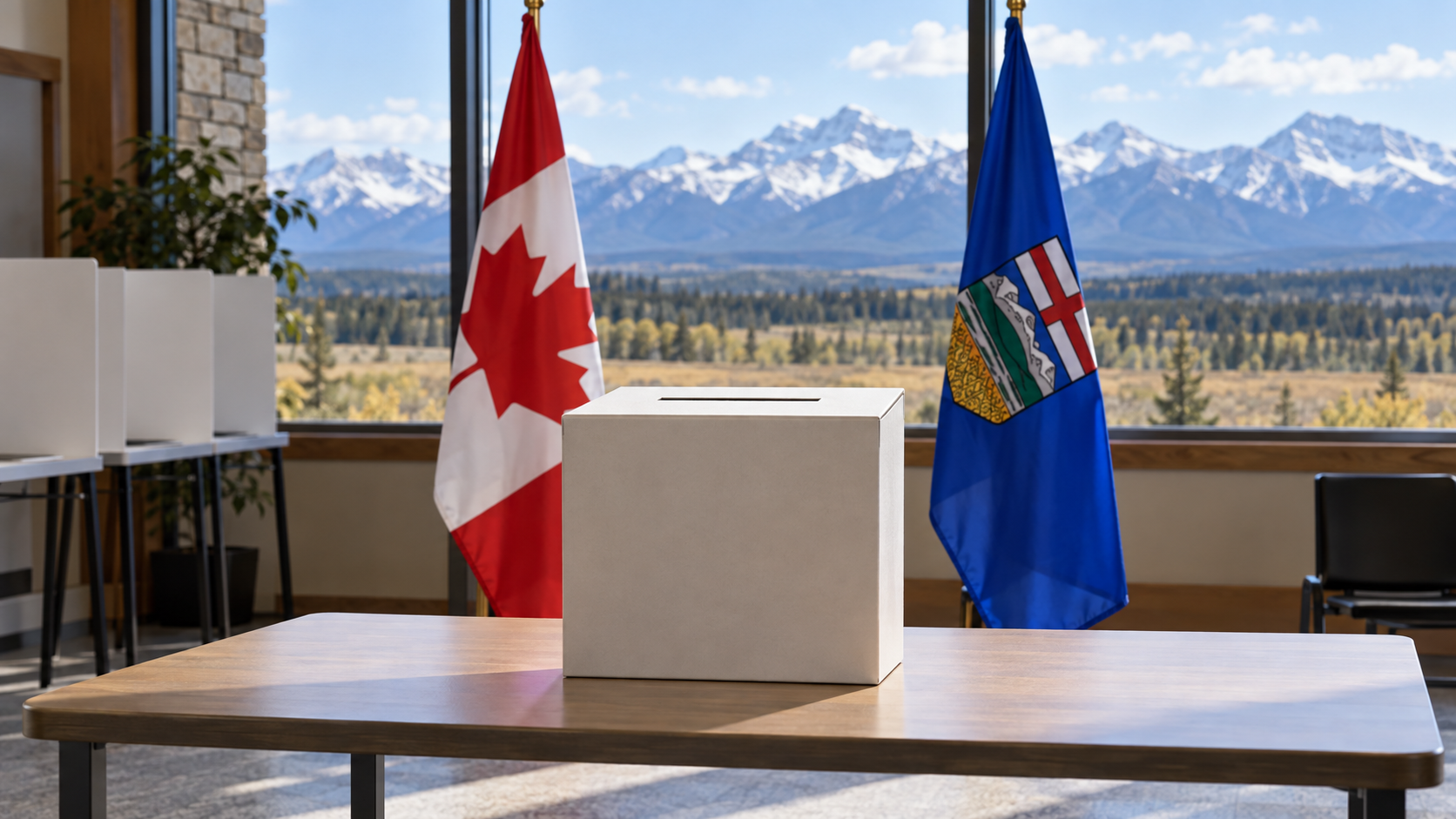
Image: Original AI-generated conceptual illustration by SearchTrends Daily; it is not an actual Alberta voting place or ballot.
Outlook
What is likely to happen next
Albertans vote on October 19. Elections Alberta says results will be published as returning officers report them. The outcome and any government response should be reported from the official results and subsequent legal steps, without assuming a separation timetable.
A conditional editorial assessment based on the evidence available at the review date, not a guaranteed outcome.
Live record
Updates to this story
No material updates yet.


Commentary
What we think
People deserve precision in a campaign that reaches far beyond party politics. Treating October 19 as a final independence vote would misstate the ballot; treating it as inconsequential would understate the political signal it could send.