Burnham says Russia interfered in Brexit vote; impact remains unmeasured
The prime minister says UK advisers confirmed Russian interference in 2016. The public record still does not establish its scale or effect on the result.
Verified brief
The story in 60 seconds
Andy Burnham says Russian interference in the 2016 EU referendum is clear, reopening questions about what UK officials knew and what evidence can be published.
This brief and the full story below are based on the disclosed sources. SearchTrends Daily’s interpretation appears later under “Our take.”
Full reporting
The complete story
Prime Minister Andy Burnham says advisers told him Russia interfered in the UK’s 2016 vote to leave the European Union. The remarks appeared in excerpts from The Rest Is Politics podcast released on Sunday, October 11; the full interview is due on Monday, according to the Associated Press. Burnham said he asked for an assessment after taking office in July and was given a clear answer that interference had occurred. He said putting that assessment on the public record could help voters elsewhere in Europe recognize foreign efforts to shape political debate.
That is a claim about interference, not a finding that it determined the referendum. No public evidence cited in the podcast excerpts measures how many voters, if any, changed their minds. The Kremlin has long denied meddling in other countries’ votes. The distinction matters because the political argument about Brexit remains intense, while the evidence about any effect on the final tally is incomplete.
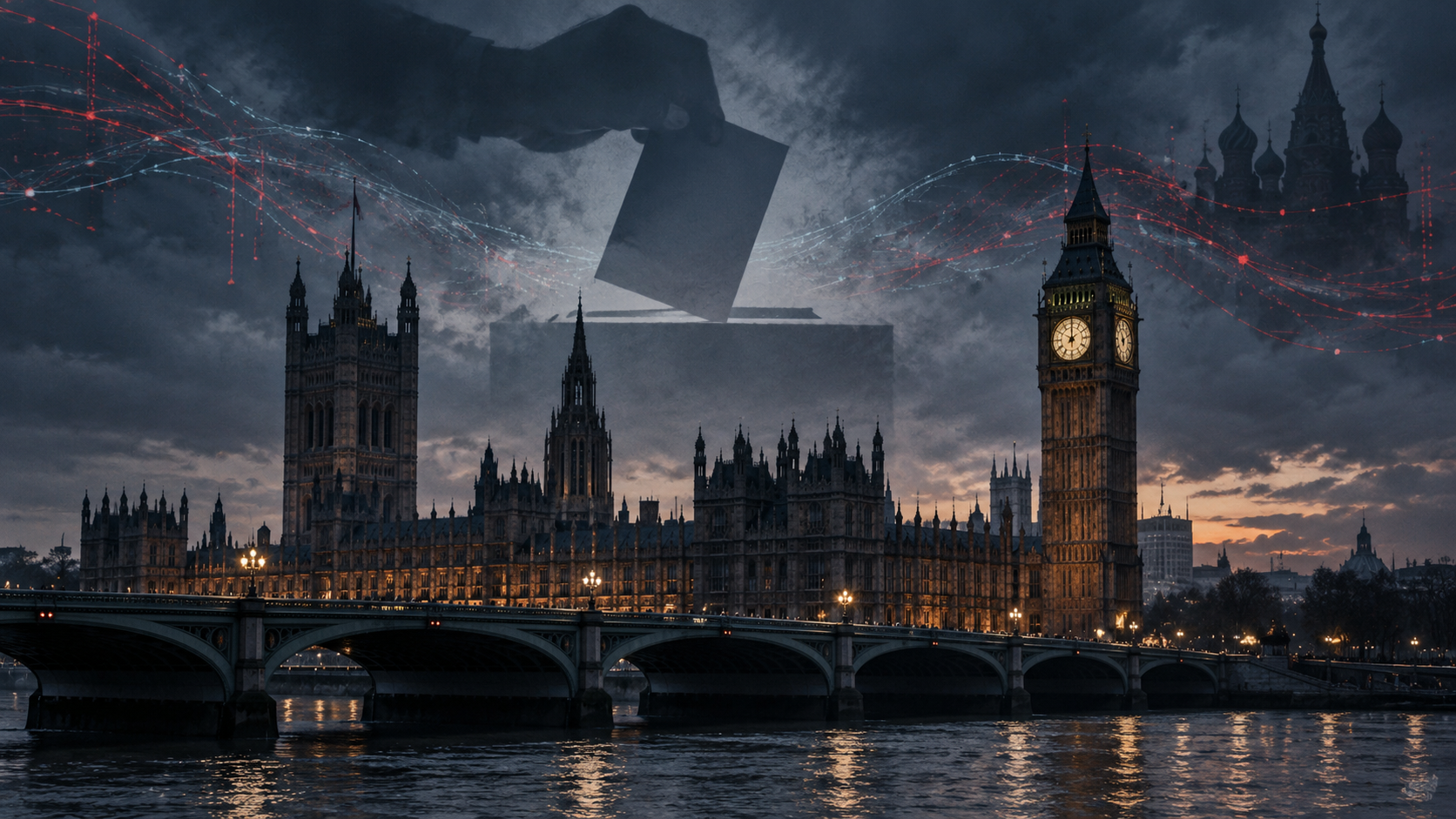
Image: AI-generated editorial illustration created for SearchTrends Daily using OpenAI. It is conceptual and does not show a real scene from the 2016 referendum.
Source perspectives
What other reporting adds
These are the reports, official records, and trend observations used to build the story. The note under each link explains exactly what it contributes.
Reports Burnham’s remarks from podcast excerpts, their planned full release, and Russia’s denial.
Read original source ↗Intelligence and Security Committee of ParliamentRussia report (HC 632), sections on the 2016 EU referendumPrimary parliamentary report on alleged interference, difficulty assessing impact, and the missing retrospective assessment.
Read original source ↗UK Cabinet OfficeGovernment response to the Intelligence and Security Committee Russia reportPrimary record of the 2020 government position that it had seen no evidence of successful interference.
Read original source ↗SearchTrends Daily opinion
Our take
Analysis
What the evidence and search signal suggest
The immediate shift is one of official attribution. Burnham has described an assessment that the public cannot yet scrutinize. A published summary explaining the conduct, confidence level and limits of the assessment would allow a more precise debate. Until then, both sweeping claims that Brexit was caused by Moscow and blanket dismissals of any interference outrun the available public evidence.
Analysis and commentary are SearchTrends Daily’s interpretation. They are intentionally separated from the sourced account above.
Meaning
Why this matters
A serving prime minister has now publicly said the UK has identified Russian interference in one of its most consequential votes. That raises a practical question: will the government release an account of what it knows, while protecting genuinely sensitive intelligence? Clearer evidence could inform how the UK defends future elections and how it discusses the legitimacy of the 2016 decision.
Background
How we got here
Parliament’s Intelligence and Security Committee examined allegations of Russian activity in its 2020 Russia report. It cited open-source studies of pro-Brexit material on Russian state media and suspected bot and troll activity, but said the impact of any effort would be difficult, perhaps impossible, to assess. The committee said it had not received a post-referendum intelligence assessment and urged one to be produced, with an unclassified summary. The government’s 2020 response said it had seen no evidence of successful interference and argued a retrospective assessment was unnecessary. Burnham’s new statement therefore differs from the earlier public position, but it does not by itself settle the question of effect.
Outlook
What is likely to happen next
The full podcast interview is expected on Monday. Watch for a Downing Street or intelligence-community explanation of the assessment Burnham described, a response from Parliament’s intelligence committee, and any proposed changes to election protections. None has been announced in the excerpts available Sunday.
A conditional editorial assessment based on the evidence available at the review date, not a guaranteed outcome.
Live record
Updates to this story
No material updates yet.
Commentary
What we think
Our view: a democracy should be able to describe attempted interference without pretending it can reconstruct every voter’s decision. Transparency about the evidence and its limits is the useful next step, particularly as foreign influence tactics evolve.