Andes arsenic study: genetic tolerance does not mean immunity
Renewed coverage revisits a 2015 genetics study in Argentina. Its findings about arsenic metabolism do not establish that contaminated drinking water is safe.
Verified brief
The story in 60 seconds
A November 2 ScienceAlert article has brought renewed attention to research on arsenic metabolism in residents of the Argentine Andes. The underlying paper was published in 2015. It found evidence consistent with genetic adaptation, not immunity to arsenic or a new treatment.
This brief and the full story below are based on the disclosed sources. SearchTrends Daily’s interpretation appears later under “Our take.”
Full reporting
The complete story
The study, published online on March 3, 2015 in Molecular Biology and Evolution, examined genetic variation and arsenic metabolism in people from the northern Argentine Andes. Researchers found a strong association between variation near the AS3MT gene and the proportions of arsenic metabolites excreted in urine.
Participants showed more efficient production and excretion of dimethylated arsenic and less excretion of the more toxic monomethylated form. Comparisons with related populations in Peru and Colombia provided evidence that natural selection had acted around this genetic region. The authors interpreted the findings as adaptation to an arsenic-rich environment.
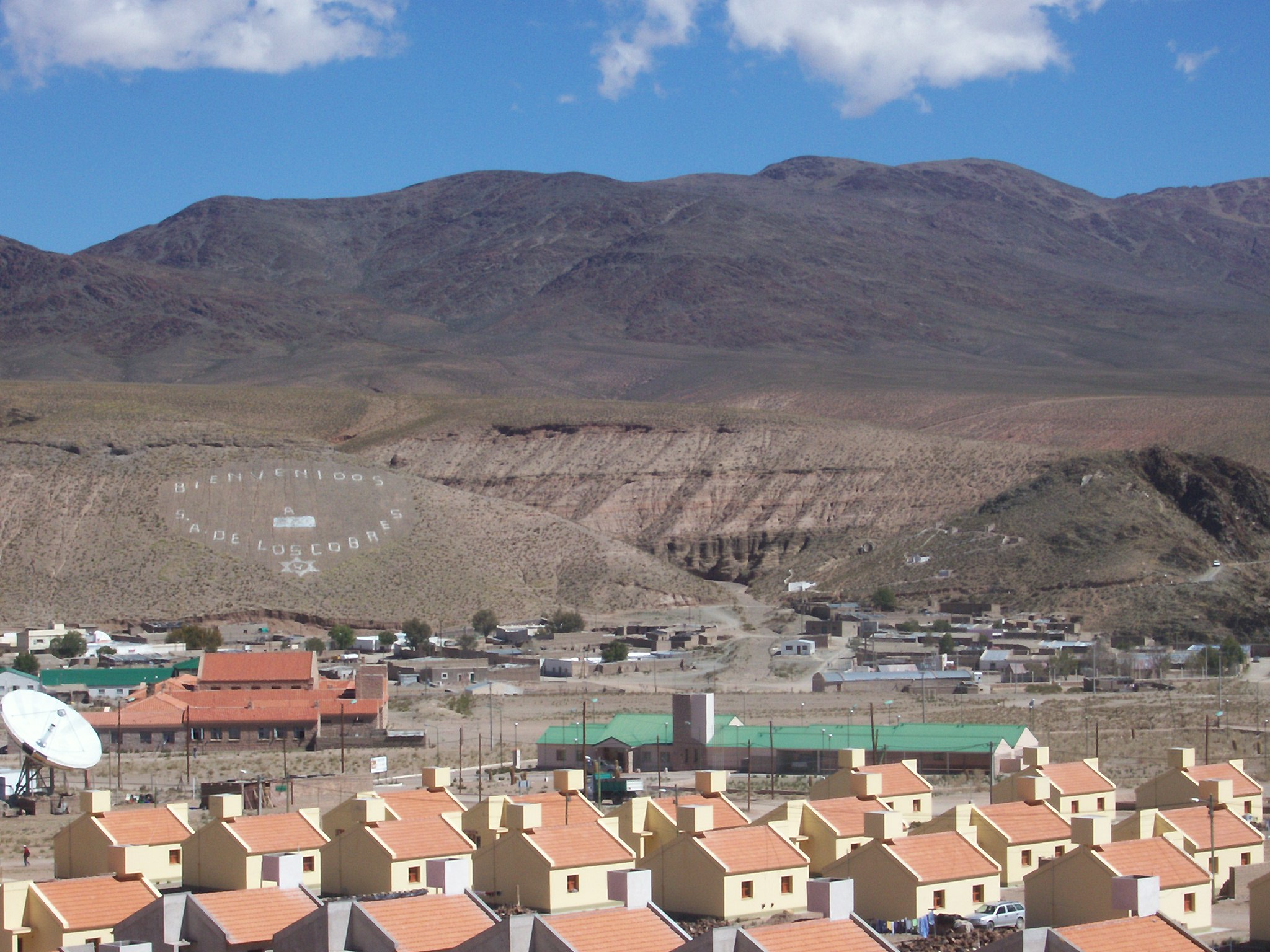
ScienceAlert’s November 2, 2026 report revisits that earlier work in San Antonio de los Cobres. The renewed coverage is not an announcement of a new clinical trial.
Source perspectives
What other reporting adds
These are the reports, official records, and trend observations used to build the story. The note under each link explains exactly what it contributes.
Original research abstract. Published online March 3, 2015; DOI 10.1093/molbev/msv046. Supports the AS3MT, urinary-metabolite and population-selection findings, not immunity.
Read original source ↗ScienceAlertHumans in The Andes Seem to Have Evolved an Unusual Genetic AbilityMichelle Starr’s November 2, 2026 independent science report revisits the 2015 study. Establishes the renewed coverage and location, rather than a new experiment.
Read original source ↗World Health OrganizationArsenic — fact sheetDecember 7, 2022 fact sheet: toxicity, long-term health effects, provisional 10 micrograms-per-litre drinking-water guideline and prevention of exposure.
Read original source ↗Wikimedia Commons / Roberto EttoreSan Antonio de los Cobres (1).JPG — archival photographImage source and attribution: Roberto Ettore, own work, April 5, 2009, view from RN51. Used under CC BY 3.0. Image provenance, not evidence of current water conditions.
Read original source ↗Creative CommonsAttribution 3.0 Unported licenceLicence for the archival Roberto Ettore photograph. Attribution and source link supplied; original file unedited, with possible layout cropping.
Read original source ↗SearchTrends Daily opinion
Our take
Analysis
What the evidence and search signal suggest
Our assessment: evidence of adaptation concerns how inherited variation may have been favoured across generations. It does not establish that every resident has the same variants, that an individual is protected from all effects of arsenic, or that any present-day water supply meets drinking-water standards. Metabolism, evolutionary selection and water safety are distinct questions.
Analysis and commentary are SearchTrends Daily’s interpretation. They are intentionally separated from the sourced account above.
Meaning
Why this matters
WHO describes inorganic arsenic as highly toxic. Long-term exposure through contaminated water and food can cause cancer and skin lesions. Its provisional drinking-water guideline is 10 micrograms per litre; WHO explains that the provisional designation reflects practical difficulties in removing arsenic. It should not be presented as a guarantee of zero risk.
WHO identifies preventing further exposure through a safe water supply as the central public-health response. A population-genetics finding does not replace water-quality evidence.
Background
How we got here
The dates answer two different questions: the research appeared in 2015, while the article drawing fresh attention to it appeared on November 2, 2026. This briefing uses the original research abstract to check the scientific claim and WHO’s arsenic fact sheet for the public-health context.
Outlook
What is likely to happen next
A substantive update would require new research or verified information about water quality, rather than a new publication date on a retelling. The sources reviewed here do not establish current arsenic concentrations in the town’s drinking water.
Image credit: Roberto Ettore / Wikimedia Commons, CC BY 3.0. San Antonio de los Cobres viewed from RN51, April 5, 2009. Original photograph unedited; the site may crop its display to fit the layout. This archival location photograph does not depict research participants, water sampling or current water conditions. The image source and licence are linked in the disclosed sources.
A conditional editorial assessment based on the evidence available at the review date, not a guaranteed outcome.
Live record
Updates to this story
No material updates yet.



Commentary
What we think
The finding is striking because it illustrates human biological variation. Calling it a superpower would obscure the limits of the evidence and the continuing importance of safe water.