Woolworths NZ managers strike over pay proposal: what the dispute means
Store management staff were called to stop work for an hour nationwide. Their union says a proposed deal could freeze some managers’ pay for years; the company’s account of that claim is still needed.
Verified brief
The story in 60 seconds
Workers First Union called a one-hour Woolworths New Zealand store-management strike on October 13. It says 96% of participating members rejected the pay offer and some managers face a long freeze. The dispute is separate from the broader store-worker agreement.
This brief and the full story below are based on the disclosed sources. SearchTrends Daily’s interpretation appears later under “Our take.”
Full reporting
The complete story
Woolworths New Zealand store management team members were called to stop work from 10:30am to 11:30am on Tuesday, October 13, in a nationwide action announced by Workers First Union. The union said hundreds of its members would strike and hand leaflets to shoppers. Independent reporting described managers staging the walkout, but a verified store-by-store attendance count was not available when this article was reviewed.
The union says 96% of members who voted rejected the company’s proposal. Its central allegation is that the terms could leave some managers without a pay increase for as long as five years, while managers performing the same work remain on different rates. It also wants more control over rosters. These are the union’s descriptions of the offer, not an independently audited account of every manager’s contract.
Woolworths New Zealand had not published a response to the specific October 13 management-team claim in the sources checked for this report. Its position should be added if it supplies one. The hour-long action was called for store managers, not every Woolworths employee. Shoppers should not assume all stores closed or that normal store workers joined this particular stoppage.
Source perspectives
What other reporting adds
These are the reports, official records, and trend observations used to build the story. The note under each link explains exactly what it contributes.
Primary union statement announcing the October 13 one-hour action, the 96% rejection vote and its description of the disputed pay and roster terms. Claims are attributed to the union.
Read original source ↗Workers First Union / WoolwatchOctober 9 bargaining update: broader store-worker offerThe union says the general supermarket-worker bargaining team received an improved offer and moved to ratification meetings. That collective is separate from the store management-team dispute.
Read original source ↗Woolworths New ZealandWoolworths New Zealand 2026 financial-year resultsPrimary company release reporting 2.5% sales growth and 8.8% EBIT growth for the financial year; business context only, not a company response to the October 13 management strike.
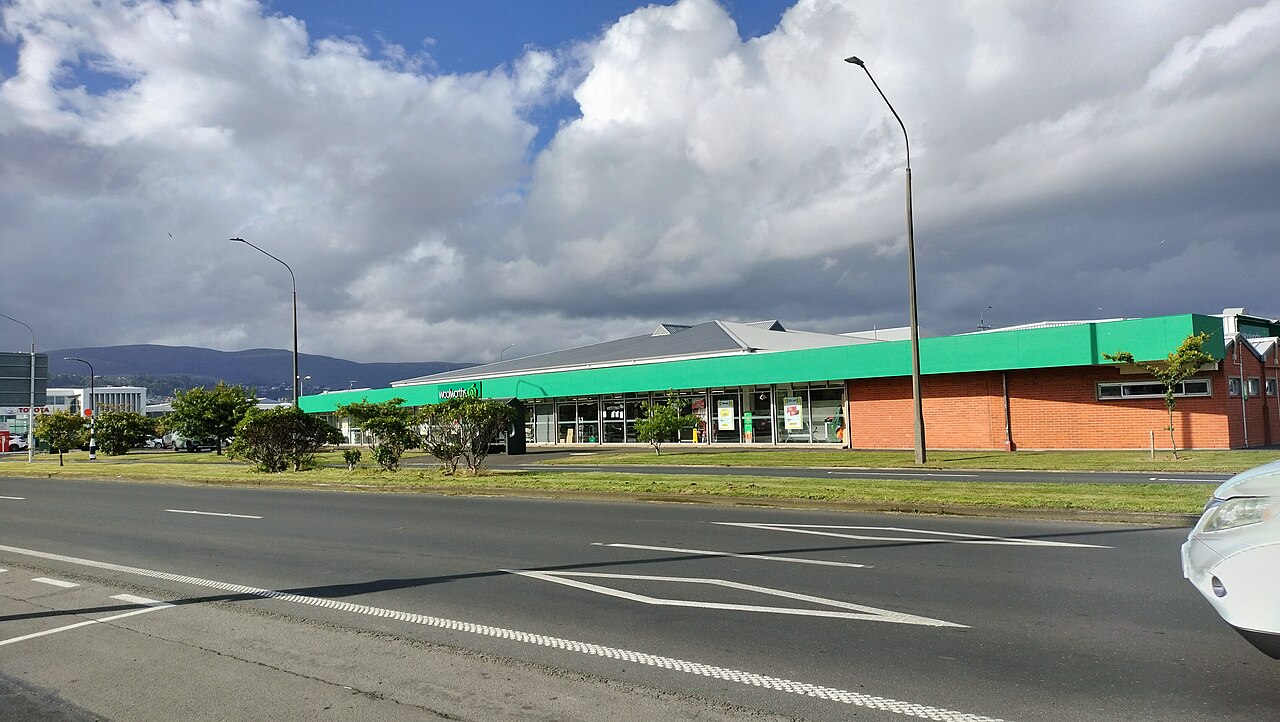
Read original source ↗Wikimedia CommonsWoolworths Andersons Bay supermarket — photograph by AndykatibPublic-domain CC0 photograph of the Andersons Bay Woolworths store in Dunedin, taken in December 2025 by Andykatib; cropped for this story. It is illustrative and does not show the October 13 action.
Read original source ↗Inside FMCGHundreds of Woolworths NZ managers plan first-ever strike actionIndependent retail-industry reporting on the one-hour manager walkout and the union’s account of the pay proposal. The article does not supply an independent attendance count.
Read original source ↗SearchTrends Daily opinion
Our take
Analysis
What the evidence and search signal suggest
Our assessment is that the two bargaining tracks are easy to confuse. A reported improvement in the general store-worker offer does not answer managers’ complaint about pay progression and rosters. A useful comparison would show the full management proposal, the current pay bands, the duration of any freeze and the number of people affected. Without those details, the union’s headline claim is important but incomplete.
Analysis and commentary are SearchTrends Daily’s interpretation. They are intentionally separated from the sourced account above.
Meaning
Why this matters
A short stoppage can expose a longer bargaining problem. Store managers coordinate staffing, rosters and daily operations; a dispute about their pay and working hours affects a layer of the business that customers rarely see. For workers, the question is whether the offer narrows or entrenches differences between colleagues doing comparable jobs. For shoppers, the immediate impact depends on staffing at individual stores, which has not been independently quantified.
Background
How we got here
The management-team bargaining is separate from the collective deal for Woolworths supermarket workers and customer-care staff, according to the union. That distinction matters: a union update on October 9 said the broader store-worker bargaining team had received an improved offer and was moving to ratification meetings. It does not resolve the managers’ dispute.
Woolworths New Zealand reported 2.5% sales growth and an 8.8% rise in earnings before interest and tax for its 2026 financial year. That company result supplies business context, but it does not by itself establish what a specific manager is paid or what the company can afford in this negotiation.
Image: Woolworths Andersons Bay store in Dunedin, photographed in December 2025 by Andykatib. Wikimedia Commons, CC0; cropped for this article. It does not show the October 13 action.
Outlook
What is likely to happen next
Watch for Woolworths’ response, confirmed turnout, any disruption reported by individual stores and the next management-team bargaining meeting. The broader supermarket workforce will separately vote on its own offer. An agreement, further strike action or a revised company proposal are possible outcomes; none is certain.
A conditional editorial assessment based on the evidence available at the review date, not a guaranteed outcome.
Live record
Updates to this story
No material updates yet.


Commentary
What we think
Both sides would serve workers and customers better by publishing a plain-language explanation of the contested terms. Woolworths should address the alleged five-year freeze directly; the union should make clear which managers it applies to and how it calculates the figure. This is an editorial recommendation, not an agreement announced by either side.