Petrol is rising again. The oil-price headline is not the pump-price timetable.
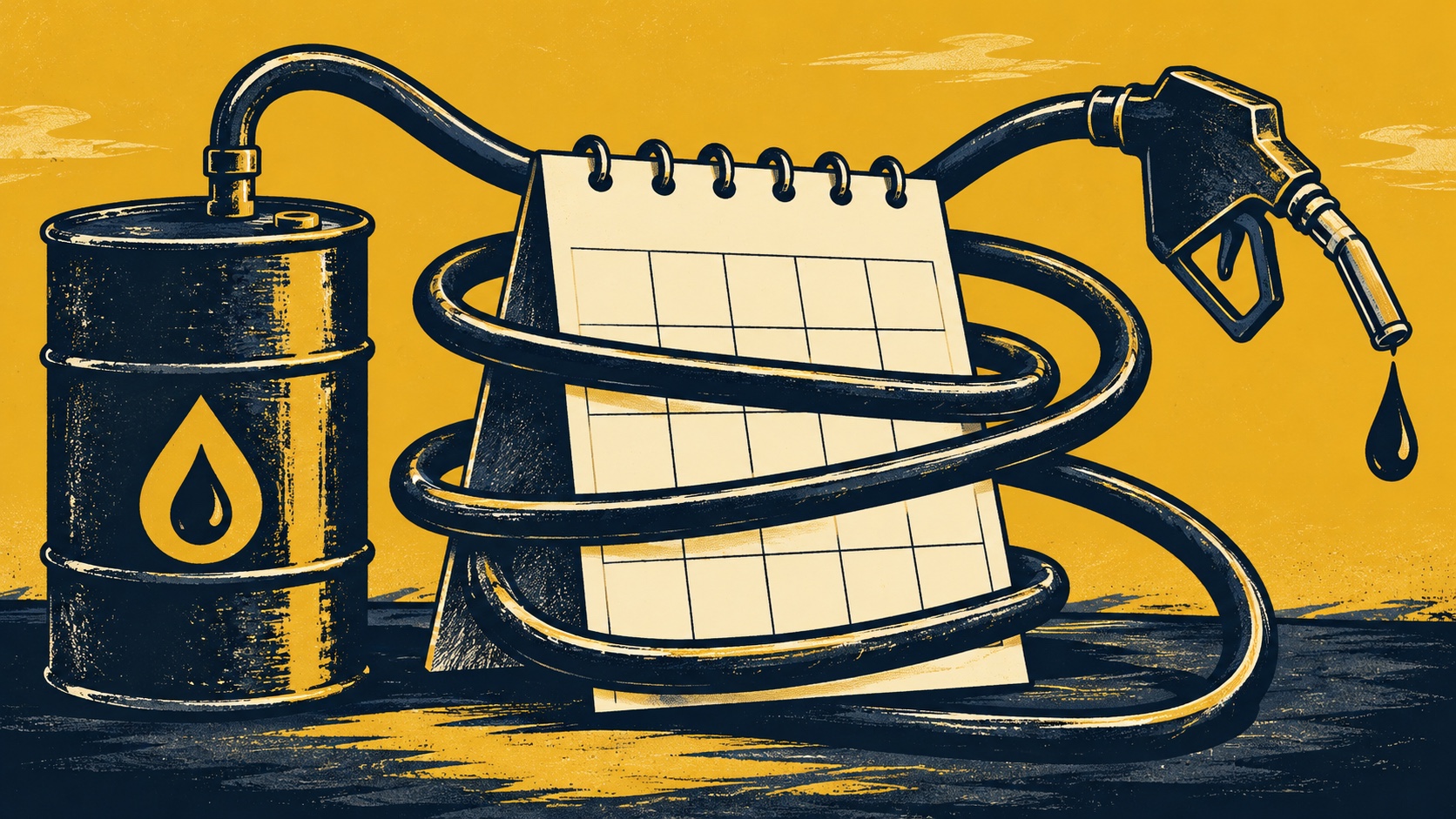
Wholesale markets, refining and delivery delays help explain why motorists do not see changes all at once.
Verified brief
The story in 60 seconds
RAC figures cited by the BBC put UK petrol at its highest average level since the Iran war began. Renewed oil-market pressure is feeding into household costs. Pump prices respond with a lag and also depend on refining, demand and local competition.
This brief and the full story below are based on the disclosed sources. SearchTrends Daily’s interpretation appears later under “Our take.”
Full reporting
The complete story
Average UK petrol prices reached 163.6p per litre and diesel 184.99p, according to RAC figures in BBC reporting. Petrol was above its early-July low, while diesel remained below its April peak. The report links the renewed rise to disrupted oil supplies and uncertainty following the collapse of peace talks.
The BBC explains that wholesale movements can take around a fortnight to appear at filling stations. It also reports that the competition regulator had not found evidence of retailers broadly changing pricing strategies to exploit the crisis. National averages are a dated snapshot: they do not establish the price at a particular station today or prove misconduct by an individual retailer.
Source perspectives
What other reporting adds
These are the reports, official records, and trend observations used to build the story. The note under each link explains exactly what it contributes.
SearchTrends Daily opinion
Our take
Analysis
What the evidence and search signal suggest
The lag creates a communication problem. Drivers see oil fall and reasonably ask why their station has not followed, but timing alone cannot establish unfair pricing. Sustained comparisons of wholesale costs, retail margins and nearby prices are more informative. The effect also differs between petrol and diesel, so combining them into one 'fuel price' can obscure what different motorists experience.
Analysis and commentary are SearchTrends Daily’s interpretation. They are intentionally separated from the sourced account above.
Meaning
Why this matters
Fuel affects commuting budgets directly and transport costs more widely. A household can feel the rise before official inflation measures fully reflect it, especially if driving is essential and alternatives are limited.
Background
How we got here
Crude oil is an input, not the complete retail price. Refining, transport, taxes and retail costs sit between the oil benchmark and a driver's receipt. That is why a daily movement in Brent does not translate into an identical same-day change at every pump.
Outlook
What is likely to happen next
Check current local prices through official Fuel Finder information or the station itself. Watch wholesale trends over days and weeks, not a single session. Further supply disruption could sustain pressure; an improvement would still take time to reach consumers.
A conditional editorial assessment based on the evidence available at the review date, not a guaranteed outcome.
Live record
Updates to this story
No material updates yet.


Commentary
What we think
Our view: publish practical comparisons alongside the geopolitical explanation. A dramatic oil chart is less helpful to a commuter than knowing where current local prices can be checked and why those prices may change after the market has already moved.