London's robotaxi launch still has a person at the wheel
A small supervised service is a meaningful step, but it is not the same as citywide driverless transport.
Verified brief
The story in 60 seconds
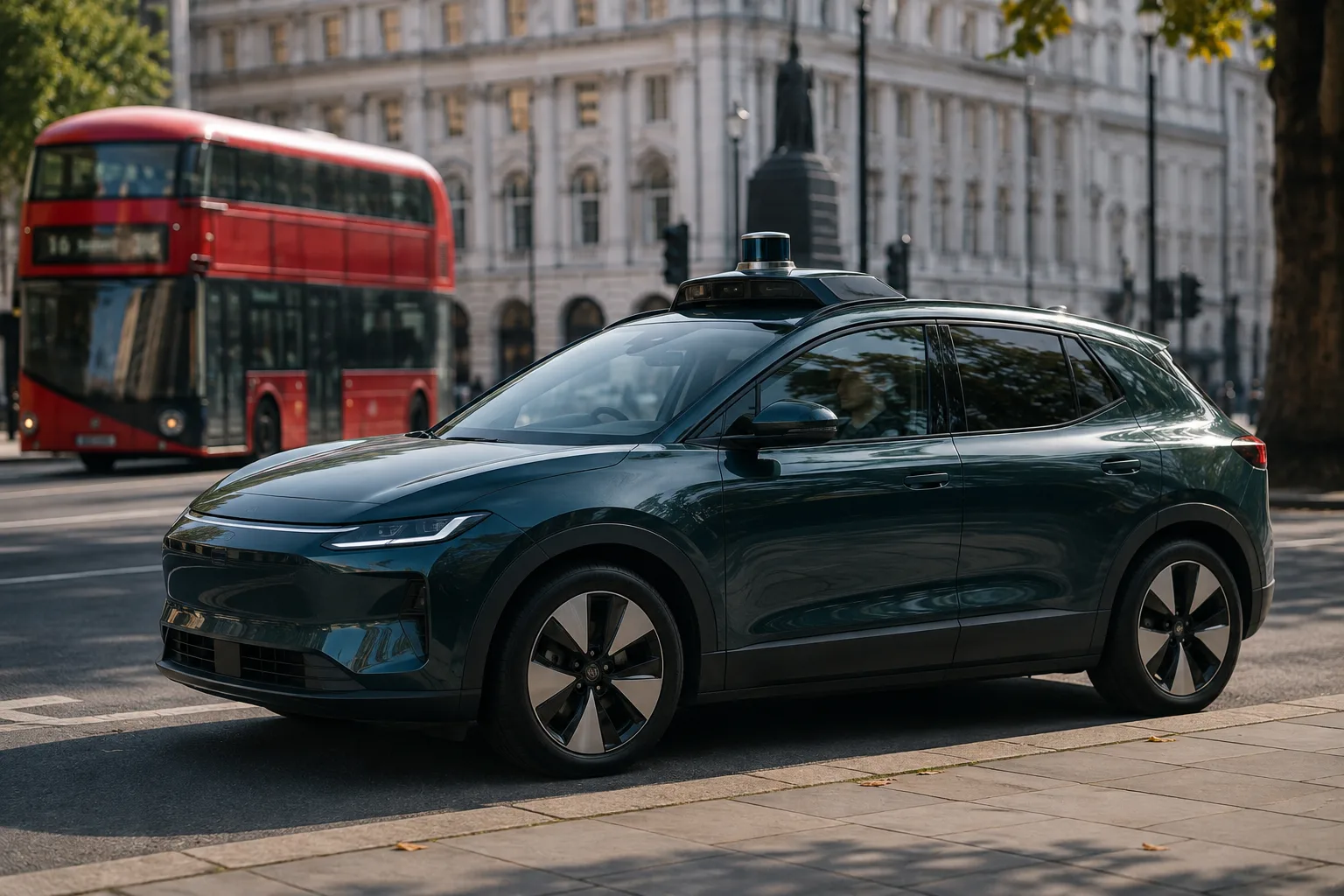
Uber has launched a limited London autonomous-vehicle service with human safety drivers, according to BBC reporting. The initial fleet is 15 vehicles. The launch should be judged as a supervised deployment with constraints, not as proof that human intervention is no longer necessary.
This brief and the full story below are based on the disclosed sources. SearchTrends Daily’s interpretation appears later under “Our take.”
Full reporting
The complete story
The BBC reports that Uber's initial London fleet uses Wayve technology in electric Ford Mustang vehicles. Each licensed vehicle must carry a safety driver ready to take control. A self-driving option appears only when a suitable vehicle is available near an eligible booked journey; the reported fare matches the relevant standard Uber service.
During the BBC journalist's ride, the safety driver intervened once after a nearby van's doors appeared to open. Wayve said it believed the system could have handled the situation. That disagreement does not establish what would have happened without intervention. Uber describes a gradual introduction over several years, with human-driven rides continuing alongside autonomous options.
Source perspectives
What other reporting adds
These are the reports, official records, and trend observations used to build the story. The note under each link explains exactly what it contributes.
SearchTrends Daily opinion
Our take
Analysis
What the evidence and search signal suggest
The intervention illustrates why aggregate evidence is needed. One ride can reveal how a service feels, but cannot measure its overall safety. Transparent reporting should explain operating conditions, interventions and limitations without treating every cautious takeover as failure or every smooth mile as proof. Scaling from a small fleet also adds operational problems beyond the driving model itself.
Analysis and commentary are SearchTrends Daily’s interpretation. They are intentionally separated from the sourced account above.
Meaning
Why this matters
For passengers, availability, clear consent and an understandable safety arrangement matter more than the label 'robotaxi'. For drivers, a limited launch and a long-term shift in the market are different employment questions.
Background
How we got here
Supervised automation uses a human as part of the operating safety system. Removing that person requires a different level of evidence and regulatory permission. A successful supervised trip cannot, by itself, demonstrate unsupervised readiness.
Outlook
What is likely to happen next
Watch fleet expansion, official operating permissions and meaningful safety reporting. A wider service should follow evidence about performance in varied conditions. Check the app's current availability rather than assuming the launch covers every London trip.
A conditional editorial assessment based on the evidence available at the review date, not a guaranteed outcome.
Live record
Updates to this story
No material updates yet.



Commentary
What we think
Our view: accurate language builds more trust than a dramatic launch label. Passengers should know who is responsible, whether a human is supervising and how to decline the option. The technology can be significant without being described as finished.