Tesla Roadster reveal: flying Rocket version is not approved for public roads
The 15 October demonstration was a real milestone. It did not make every Roadster configuration a flying car, or turn a production target into a delivery guarantee.
Verified brief
The story in 60 seconds
Tesla’s new Roadster has a flying Rocket configuration, but the company lists it as one-seat, invite-only and not approved for public road use. Performance and Thrust are separate offerings. Reporting from the 15 October unveiling describes an aerial demonstration; that is not proof of unrestricted everyday use or completed customer deliveries.
This brief and the full story below are based on the disclosed sources. SearchTrends Daily’s interpretation appears later under “Our take.”
Full reporting
The complete story
Tesla unveiled the redesigned Roadster on 15 October 2026. TechCrunch’s Sean O’Kane reports that the demonstration outside Waco, Texas, included an inverted ramp, a controlled landing and a vehicle lifting over other vehicles. Axios also describes aerial manoeuvres. These are attributed accounts of the event; SearchTrends Daily did not attend or test the car.
The current company page is more useful than a single spectacular clip for understanding the offering. It separates Performance, a two-seat road-oriented version, from Thrust, a two-seat configuration with rear cold-gas thrusters, and Rocket, a one-seat invitation-only configuration. The public-road warning accompanies Rocket. Tesla’s sub-one-second acceleration claim is presented with Thrust, not as a verified result for every version.
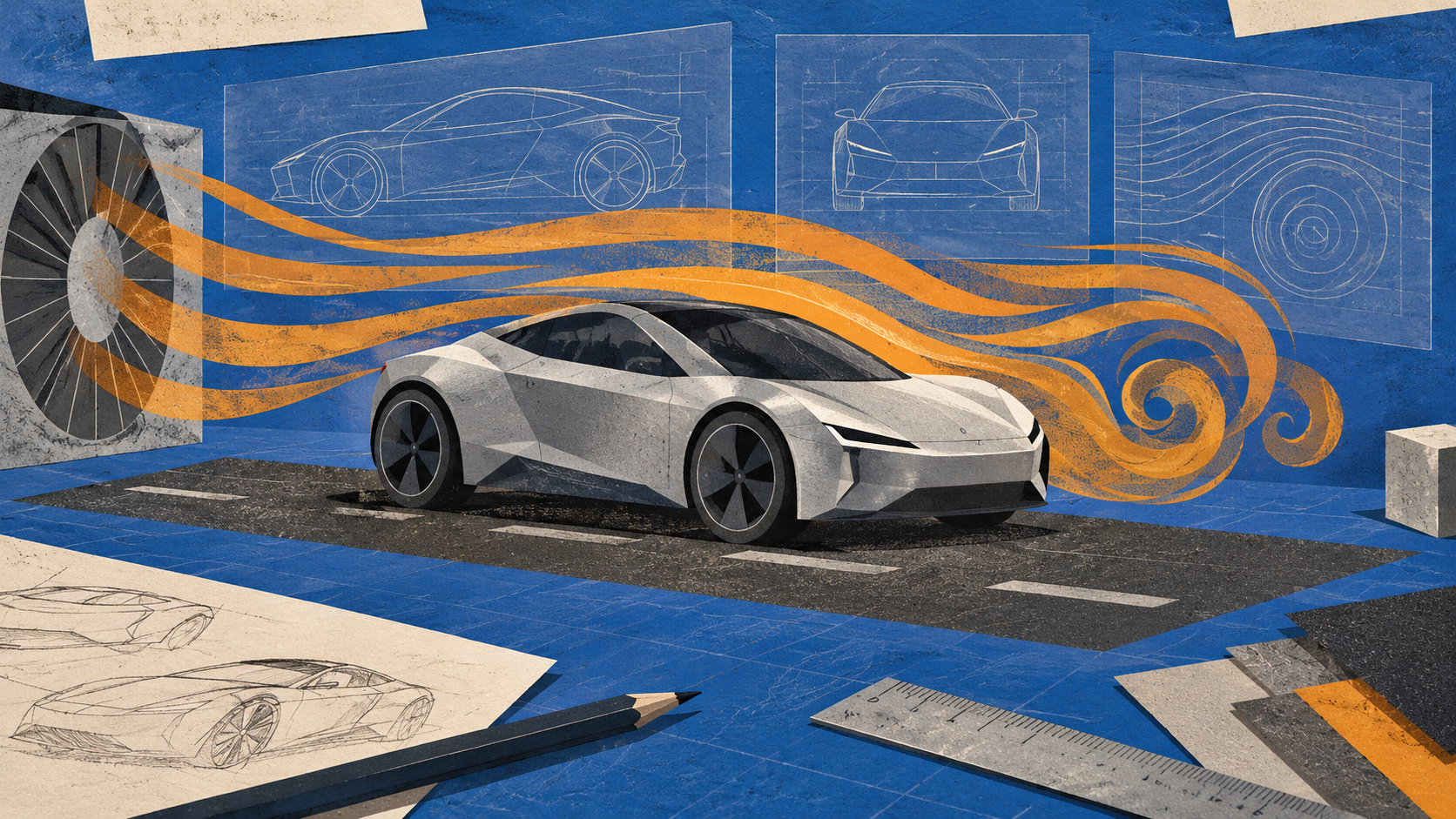
Tesla describes active aerodynamics, underbody suction and cold-gas thrust as parts of its engineering approach. Those descriptions remain company claims, not our measured findings. A system intended to increase grip and a system intended to generate lift also answer different engineering questions; the headline word “flying” should not erase the distinctions.
Both current independent reports attribute a 2028 production target to Elon Musk. A target announced onstage is a statement of intent, not a confirmed customer handover date. The useful outcome of the reveal is therefore a more specific set of things to examine, rather than a conclusion that every outstanding question has been settled.
Source perspectives
What other reporting adds
These are the reports, official records, and trend observations used to build the story. The note under each link explains exactly what it contributes.
Historical pre-reveal source retained from the September draft. It concerns the earlier proposed 1 October presentation, not the completed 15 October event. Not used as current verification of demonstrations, specifications or availability; see the newly reviewed company page and completed-event reports.
Read original source ↗TeslaRoadsterPrimary company page read on 16 October 2026 after the completed reveal. Supports the separate Performance, Thrust and Rocket offerings, seating, invitation-only Rocket access and the explicit public-road warning. Performance and technology descriptions are company claims, not independent test results. This current review supersedes the September countdown context.
Read original source ↗ReutersTesla to unveil long-delayed Roadster on Oct 1, Musk saysArchived 12 September preview of the earlier 1 October plan, retained as publication history. Not used to establish the completed 15 October event or current performance, production or delivery terms. The current story uses newly read completed-event reporting and the current primary company page.
Read original source ↗TechCrunchTesla says it will finally unveil the second-generation Roadster on October 1Archived 12 September preview of the proposed 1 October presentation, retained for history only. Its event date is superseded by the completed 15 October reveal. This older preview is not corroboration of the demonstration, present specifications or availability; see the separate current TechCrunch report.
Read original source ↗TechCrunchTesla unveils the new RoadsterContemporaneous November 2017 reporting recording the original unveiling and 2020 availability target; historical terms are not presented as current.
Read original source ↗TechCrunchTesla reveals SpaceX-powered Roadster that flies and falls with styleSean O’Kane’s complete report, displayed 15 October 2026 at 6:17 PM PDT, describes the demonstration outside Waco and attributes a 2028 production target to Musk. Also explains the earlier weather delay. Reporting is attributed, not our firsthand testing. Pricing and range details are not reproduced where the reviewed reporting differs.
Read original source ↗AxiosElon Musk’s flying Tesla is gloriously absurdJoann Muller’s 16 October report, read in full, describes the completed unveiling and aerial demonstration, reports Musk’s 2028 target and notes the flying version’s road-use limitation. Its commentary is the author’s interpretation. Not treated as our own testing; differing specification and price claims are not reproduced.
Read original source ↗SearchTrends Daily opinion
Our take
Analysis
What the evidence and search signal suggest
SearchTrends Daily analysis: four milestones should be kept separate. A demonstration establishes that something was shown under particular conditions. Reproducible testing would establish how reliably it performs within a stated operating envelope. Clear authorised-use information would establish where and how the relevant configuration may be used. Production and customer delivery would establish that the offering has moved beyond presentation.
Progress at the first milestone does not automatically complete the other three. That is not an argument that the engineering is impossible or that a demonstration has no value. It is a way to ask a question the next piece of evidence can actually answer.
For example, an independent repeat test with disclosed conditions would be more informative than another impressive edit of the same event. A configuration-specific specification sheet would be more useful than combining the most dramatic features from different versions into an imaginary single product. Delivery evidence would answer a different question again.
This approach also avoids an unsupported verdict about the company’s finances. Attention to a showcase does not by itself establish sales, profitability or a change in business prospects. We make no share-price prediction or investment recommendation.
Analysis and commentary are SearchTrends Daily’s interpretation. They are intentionally separated from the sourced account above.
Meaning
Why this matters
Readers searching after an ambitious demonstration need to know which claim applies to which vehicle, and in what setting. Otherwise, a feature shown on one configuration can become an assumed feature of the whole range as a clip is shared.
The next distinction is between capability and permission. An event can show a manoeuvre without establishing where an owner may repeat it. This report quotes the manufacturer’s own limitation; it does not offer a legal interpretation for any jurisdiction. Likewise, a reservation control on a website is not evidence that a finished vehicle is ready for immediate delivery.
Background
How we got here
The second-generation Roadster was first unveiled in November 2017. TechCrunch’s contemporaneous report recorded an availability target of 2020 and described a four-seat layout. Those are historical statements, not current specifications or current purchase terms.
The contrast is instructive: almost nine years later, the new presentation needs to be assessed on its own evidence. TechCrunch’s 15 October report says the attempted 1 October reveal was delayed by severe weather. This article revises an unpublished September preview; its retained URL reflects that earlier plan. The event covered here happened on 15 October, not 1 October. Earlier preview sources are retained and explicitly marked as background, not verification of the completed demonstration.
Outlook
What is likely to happen next
Watch for dated, configuration-specific technical documentation, independently repeatable tests, clear operating restrictions and concrete manufacturing or delivery milestones. We would strengthen our assessment of readiness if those records establish consistent performance and a credible path from demonstration to customers. New limitations, changed specifications or revised schedules would require the opposite adjustment.
For now, the reported 2028 goal remains a target. No delivery date, performance guarantee or regional approval is inferred here. The review is dated 16 October UTC after the completed 15 October event; older previews and the original URL should not be mistaken for a still-upcoming unveiling.
A conditional editorial assessment based on the evidence available at the review date, not a guaranteed outcome.
Live record
Updates to this story
16 October revision: completed reveal replaces the September preview
The unpublished September draft described a planned 1 October unveiling. It has been revised after the completed 15 October event. Current Tesla documentation, completed-event TechCrunch and Axios reports and the original 2017 report were read. The new account separates configuration-specific company claims from attributed demonstrations, independent testing and customer delivery. The existing URL and earlier source identities are retained; preview citations are labelled historical. The original draft text is preserved privately. This revision does not claim that the earlier preview was a published article.

Commentary
What we think
SearchTrends Daily opinion: the reveal deserves attention for what was demonstrated, and scrutiny for what remains to be documented. Readers should not have to choose between treating a spectacular launch as proof of everything and dismissing every technical idea because the programme has taken years.
Our standard is specific evidence matched to a specific claim. The most useful follow-up would make the boundaries easier to understand: which vehicle, which conditions, which permissions and which delivery milestone. That would strengthen the story more than another superlative.