Faber halts UK supply of Sally Rooney books amid Palestine Action dispute
The publisher says it cannot pass UK royalties to the novelist under current legislation, so it will stop supplying her books in Britain with her agreement.
Verified brief
The story in 60 seconds
Faber says it will stop supplying Sally Rooney’s books in the UK because it cannot pass on her UK earnings under legislation linked to the proscription of Palestine Action. Rooney agreed to the decision.
This brief and the full story below are based on the disclosed sources. SearchTrends Daily’s interpretation appears later under “Our take.”
Full reporting
The complete story
Faber will no longer supply Sally Rooney’s books in the United Kingdom, a decision the publisher says it made with the Irish novelist’s agreement. The company says current UK legislation prevents it from passing her UK earnings to her because she has publicly supported Palestine Action, a group proscribed under British terrorism law. Rooney confirmed her agreement in a statement reported by the Associated Press. The announcement concerns Faber’s supply of her work in the UK. It does not establish that owning or reading her novels is illegal, or that every copy already held by a shop has been withdrawn. Faber has not set out a timetable for what will happen to existing stock. The Home Office’s current list confirms that Palestine Action was proscribed in July 2025. The publisher’s decision shows how that designation can reach a mainstream cultural business through royalty payments, beyond direct prosecutions of activists.
Source perspectives
What other reporting adds
These are the reports, official records, and trend observations used to build the story. The note under each link explains exactly what it contributes.
Reports Faber and Rooney statements, royalty issue and pending legal challenge
Read original source ↗The BooksellerFaber to no longer publish Sally Rooney in UK due to Palestine Action legislationPublishing trade report on Faber decision and royalty explanation
Read original source ↗UK Home OfficeProscribed terrorist groups or organisationsPrimary source for Palestine Action’s July 2025 proscription and UK proscription law
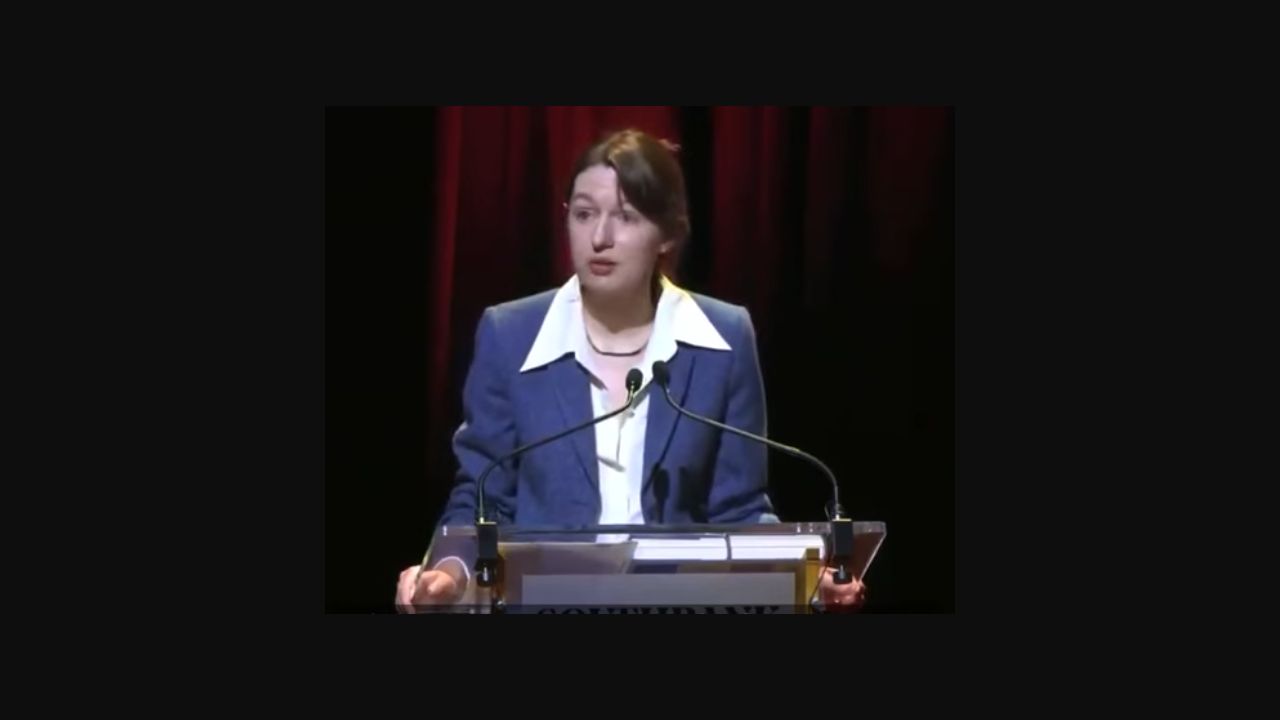
Read original source ↗Wikimedia CommonsSally Rooney speaking in September 2024 — Frank BaratArchival image by Frank Barat, CC BY 4.0; full photo shown with black browser margins
Read original source ↗Creative CommonsAttribution 4.0 International licenseLicense for Frank Barat archival portrait; attributed with link and screenshot margins disclosed
Read original source ↗SearchTrends Daily opinion
Our take
Analysis
What the evidence and search signal suggest
This is a supply decision by a publisher responding to its reading of legal and payment risk. It should not be described as a statutory ban on Rooney’s books. Whether another distributor could make a different arrangement, and whether any court ruling changes the underlying legal position, remain open questions.
Analysis and commentary are SearchTrends Daily’s interpretation. They are intentionally separated from the sourced account above.
Meaning
Why this matters
Rooney is one of the UK market’s best-known contemporary novelists. A decision to stop supplying her books affects readers, booksellers and the author’s income, and exposes a practical consequence of the proscription that is easy to miss in arguments focused only on protests. The exact legal risk Faber faces has not been tested in a public ruling on this publishing arrangement.
Background
How we got here
Rooney has publicly backed Palestine Action and previously said she intended to direct some earnings to the group. The UK government proscribed Palestine Action in July 2025 under the Terrorism Act 2000. Its guidance lists offences related to membership, inviting support and certain expressions of support. The designation has been challenged in court. Rooney’s books include Normal People, Conversations with Friends, Beautiful World, Where Are You and Intermezzo.
Outlook
What is likely to happen next
Faber and retailers may clarify treatment of existing stock and future editions. A pending legal challenge to Palestine Action’s proscription could also affect the framework that Faber says created its royalty problem. Neither outcome is settled.
A conditional editorial assessment based on the evidence available at the review date, not a guaranteed outcome.
Live record
Updates to this story
No material updates yet.

Commentary
What we think
Our view: readers need the distinction between a publisher stopping supply and a government prohibiting a book. That distinction does not make the loss of access trivial. It makes the mechanism—and the decision makers involved—clearer.