Qantas cancels Rome–Perth flight after bedbugs reported on incoming aircraft
The airline grounded a Dreamliner for treatment after passengers on the Perth–Rome leg reported bites. Qantas says affected travelers were rebooked.
Verified brief
The story in 60 seconds
Qantas cancelled its Rome-to-Perth QF6 service after bedbugs were reported on the incoming aircraft. The airline said a small number of economy seats were affected and passengers were rebooked.
This brief and the full story below are based on the disclosed sources. SearchTrends Daily’s interpretation appears later under “Our take.”
Full reporting
The complete story
Qantas cancelled its Rome-to-Perth QF6 service after passengers on the aircraft’s preceding Perth-to-Rome flight reported being bitten, according to The New Daily. The reported problem was found in a small number of economy seats, the airline said. The Boeing 787 was taken out of service for a deep clean and treatment, rather than being sent straight back across the route.
The cancellation of the Saturday departure left some travelers in Rome for up to two days. Qantas said it arranged accommodation and rebooked affected passengers on alternative flights within 48 hours of their original departure. The airline apologised.
The account available so far does not establish how the insects entered the aircraft or precisely how many seats or passengers were affected. Qantas’s description of a small number of seats should not be turned into a claim that the entire cabin was infested.
Source perspectives
What other reporting adds
These are the reports, official records, and trend observations used to build the story. The note under each link explains exactly what it contributes.
Qantas statement, affected flights, treatment, accommodation and rebooking details.
Read original source ↗BBC NewsQantas flight grounded after bedbug outbreakIndependent account of the cancelled Rome–Perth flight following bites reported on the previous sector.
Read original source ↗SearchTrends Daily opinion
Our take
Analysis
What the evidence and search signal suggest
The decision to ground the jet avoided sending a known problem onto another long flight. It also demonstrates the trade-off airlines face when a thorough treatment removes an aircraft from a schedule: customers on the next service can be delayed even when the incident began on an earlier leg.
Analysis and commentary are SearchTrends Daily’s interpretation. They are intentionally separated from the sourced account above.
Meaning
Why this matters
A problem limited to a few seats can ground a long-haul aircraft and disrupt an international itinerary for many people. The episode shows how a cabin hygiene issue becomes an operational and customer-service problem when an aircraft is scheduled to turn around on a tightly timed route.
Background
How we got here
QF5 operates from Perth to Rome, with QF6 returning to Perth. The reported bites arose on QF5 before the cancellation of the return sector. Qantas says it normally cleans cabins regularly; this aircraft required a more extensive treatment.
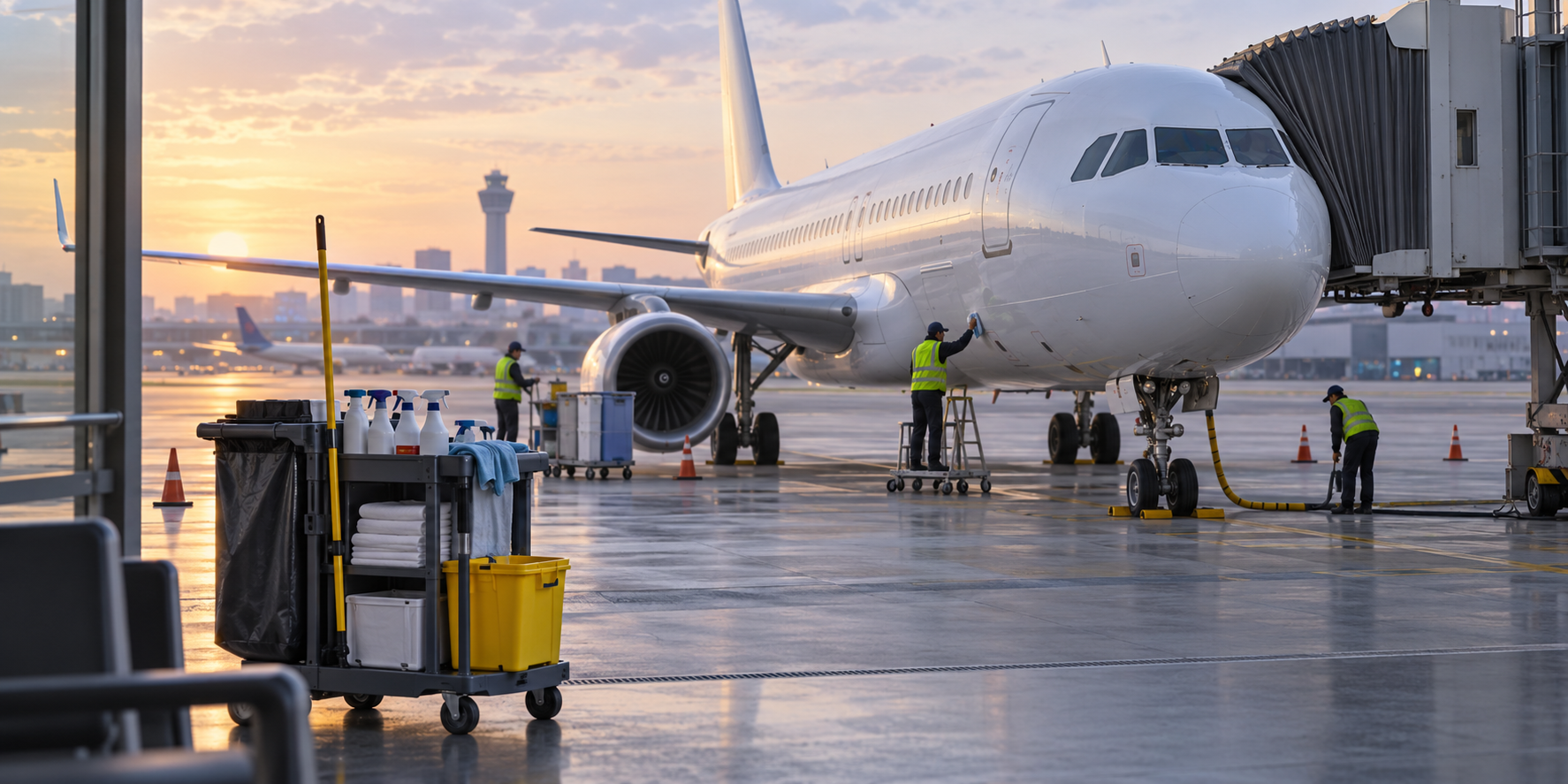
Image: Original AI-generated editorial illustration by SearchTrends Daily of a generic passenger aircraft at an airport gate with ground-service equipment; it does not show the Qantas plane or the actual incident.
Outlook
What is likely to happen next
Qantas may provide further detail on the treatment and return of the aircraft to service. Travelers affected by a cancellation should follow their airline’s direct rebooking information and retain receipts for any expenses they intend to claim.
A conditional editorial assessment based on the evidence available at the review date, not a guaranteed outcome.
Live record
Updates to this story
No material updates yet.



Commentary
What we think
Passengers deserve a clear account of the affected service, what was done to the aircraft and how disrupted travelers were supported. Inflated language about an “outbreak” obscures the airline’s narrower statement about a small number of seats.