Padres 5–1 Dodgers: what changed after LA’s eight-pitcher shutout
Los Angeles used eight pitchers to win 7–0 on Tuesday, but Manny Machado and San Diego answered 5–1 on Wednesday. Here is what the two games actually show before the finale.
Verified brief
The story in 60 seconds
The Dodgers and Padres have split the first two games in Los Angeles. The Dodgers’ eight-pitcher shutout and five two-out runs controlled Tuesday; San Diego’s Manny Machado drove in three and the Padres limited Los Angeles to one run on Wednesday. Thursday’s finale now decides the series while both clubs still have postseason position to secure.
This brief and the full story below are based on the disclosed sources. SearchTrends Daily’s interpretation appears later under “Our take.”
Full reporting
The complete story
The short answer is that the series changed from a display of Dodgers bullpen depth into a reminder that one clean night does not settle a postseason matchup. Los Angeles won Tuesday’s opener 7–0, then San Diego won Wednesday 5–1.
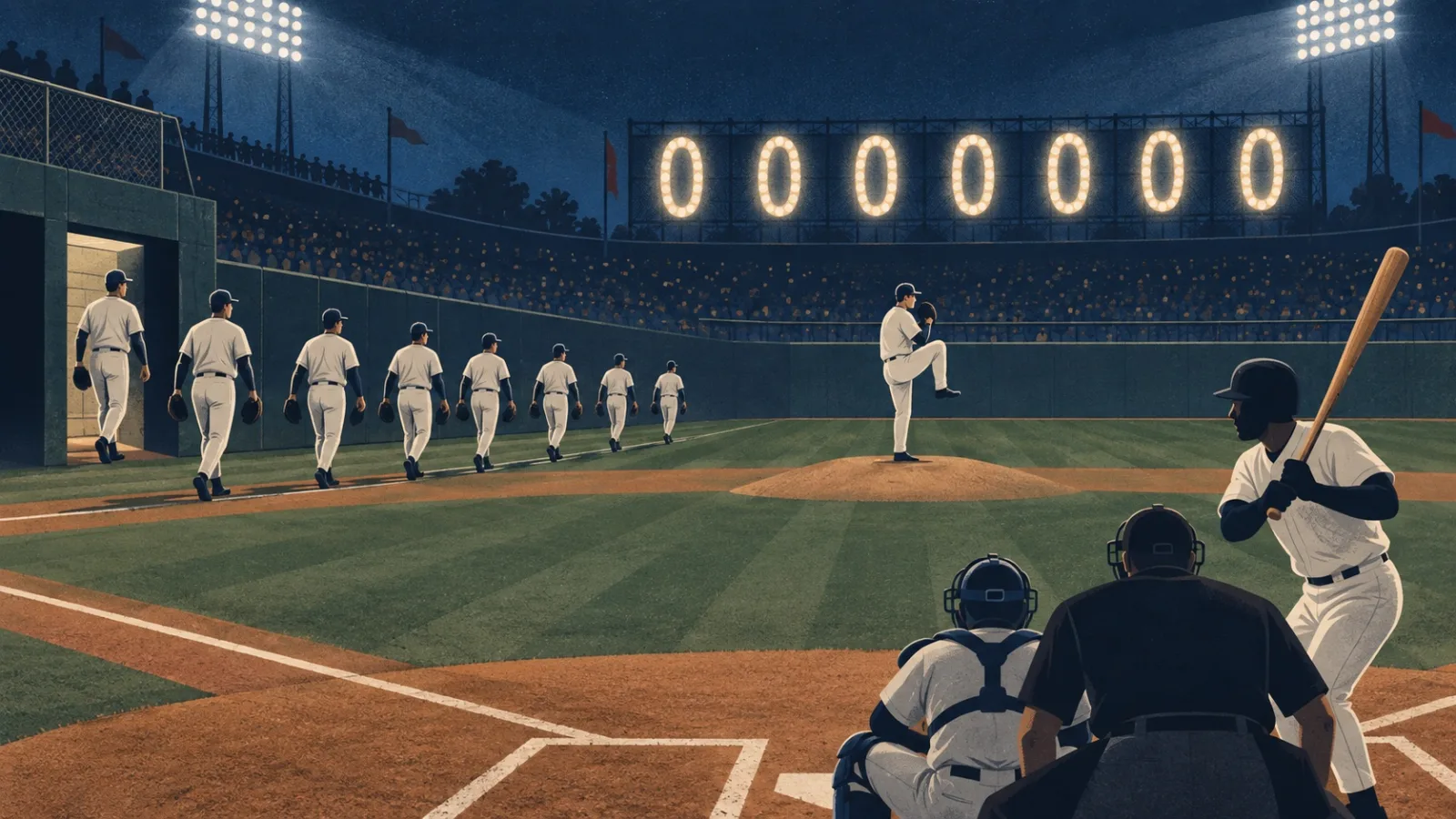
In the opener, eight Dodgers pitchers combined on a five-hit shutout with 10 strikeouts and two walks. Los Angeles built the decisive margin with a four-run second inning and finished with five runs scored with two outs. Tommy Edman and Will Smith homered, while Freddie Freeman drove in three. Roki Sasaki, returning to the major-league mound, worked a scoreless inning despite allowing two hits and struck out two. The result extended a strong September run and moved the Dodgers within one win of clinching at least the National League’s No. 2 seed and a first-round bye.
San Diego changed the pattern one night later. Manny Machado hit a 409-foot, two-run homer in the fourth inning and added a sacrifice fly in the fifth, accounting for three runs in the Padres’ 5–1 win. Yoshinobu Yamamoto had retired nine of his first 10 batters before the Padres broke through. Los Angeles answered only once, on Edman’s sacrifice fly after Teoscar Hernández reached home in the fourth.
The Dodgers collected 10 hits and five walks on Wednesday but left 12 runners on base. Shohei Ohtani, back from the injured list, singled and walked but struck out with the bases loaded to end the fourth. San Diego added an insurance run in the ninth after Samad Taylor walked, stole second and third, and scored on Freddy Fermin’s single.
The split left the Dodgers at 97–61 and snapped their 11-game home winning streak. They still need one win or an Atlanta loss to secure the first-round bye. San Diego improved to 88–70, moved into sole possession of the top National League wild-card position and needs one win or an Arizona loss to clinch a playoff berth.
Source perspectives
What other reporting adds
These are the reports, official records, and trend observations used to build the story. The note under each link explains exactly what it contributes.
Supports the September 22 final score, eight-pitcher shutout, two-out scoring, key player contributions and first-round-bye context.
Read original source ↗Associated Press via StatMuseMachado powers Padres past Dodgers 5–1Supports the September 23 final score, Machado’s three RBIs, the scoring sequence, Ohtani’s return, runners left on base and current playoff-clinching scenarios.
Read original source ↗MLBLos Angeles Dodgers scores and scheduleOfficial league schedule and score listing for the September 22–24 Dodgers–Padres series.
Read original source ↗SearchTrends Daily opinion
Our take
Analysis
What the evidence and search signal suggest
The most useful lesson from the first two games is that process carried over better than the scores. Los Angeles’ bullpen plan worked because each pitcher was asked to win a limited segment and the offense created separation with two-out production. Wednesday exposed the other side of that strategy: when the Dodgers do not cash in traffic, even 10 hits and five walks can produce only one run.
San Diego did not need a broad offensive explosion. Machado converted the first major opening, and the Padres added pressure through movement on the bases. That is a repeatable October model: one middle-of-the-order swing, then incremental runs created by forcing the defense and bullpen to execute.
For Los Angeles, Tuesday is evidence that the bullpen can coordinate a full game. It is not proof that eight-pitcher sequencing will be painless in a playoff series. Wednesday is evidence that the lineup can create runners; it is also evidence that opportunity volume is not the same as run production. The finale is therefore a better test of adjustment than either isolated final score.
Analysis and commentary are SearchTrends Daily’s interpretation. They are intentionally separated from the sourced account above.
Meaning
Why this matters
Readers searching for the Dodgers today are not looking only for a box score; they are trying to understand why a team that looked dominant on Tuesday could lose decisively 24 hours later. The answer is not a single collapse. The first game was shaped by Los Angeles converting two-out opportunities while a planned relay of pitchers suppressed San Diego. The second was shaped by Machado’s damage, a Dodgers error and repeated missed chances with men on base.
That distinction matters for October. A deep bullpen can shorten a postseason game, but it cannot replace timely offense every night. San Diego’s response also matters because the top wild-card team receives home-field advantage in the best-of-three opening round.
Background
How we got here
The Dodgers had already clinched a fifth consecutive National League West title and their 14th straight postseason appearance, tying the Atlanta Braves’ major-league record for consecutive playoff seasons from 1991 through 2005. San Diego entered the series chasing a third consecutive playoff berth, which would be a franchise record.
The clubs have become familiar October opponents, so each late-season meeting attracts more attention than an ordinary division game. This series does not decide the NL West, but it can influence Los Angeles’ bye and San Diego’s wild-card venue.
Outlook
What is likely to happen next
Tyler Glasnow is scheduled to start Thursday’s series finale for Los Angeles against Nick Pivetta. A Dodgers win, or an Atlanta loss, would secure the first-round bye; San Diego can clinch a playoff berth with a win or an Arizona loss. Our view would become more confident if the Dodgers pair another controlled pitching plan with better situational hitting. It would change in the other direction if recurring traffic without runs, or late bullpen strain, persists into the postseason.
A conditional editorial assessment based on the evidence available at the review date, not a guaranteed outcome.
Live record
Updates to this story
No material updates yet.



Commentary
What we think
SearchTrends Daily opinion: the 7–0 shutout should raise confidence in the Dodgers’ depth, but not erase concern about how much October pressure will fall on a damaged or changing rotation. The 5–1 loss should not cancel the bullpen achievement either. Together, the games show a contender with more than one route to win—and a vulnerability when its expensive lineup does not turn traffic into runs.
For San Diego, Machado’s response is more meaningful than the symbolism of beating a rival. The Padres needed a result that protected their wild-card position, and their best established hitter supplied the decisive swing.