The convincing job interview can be the scam
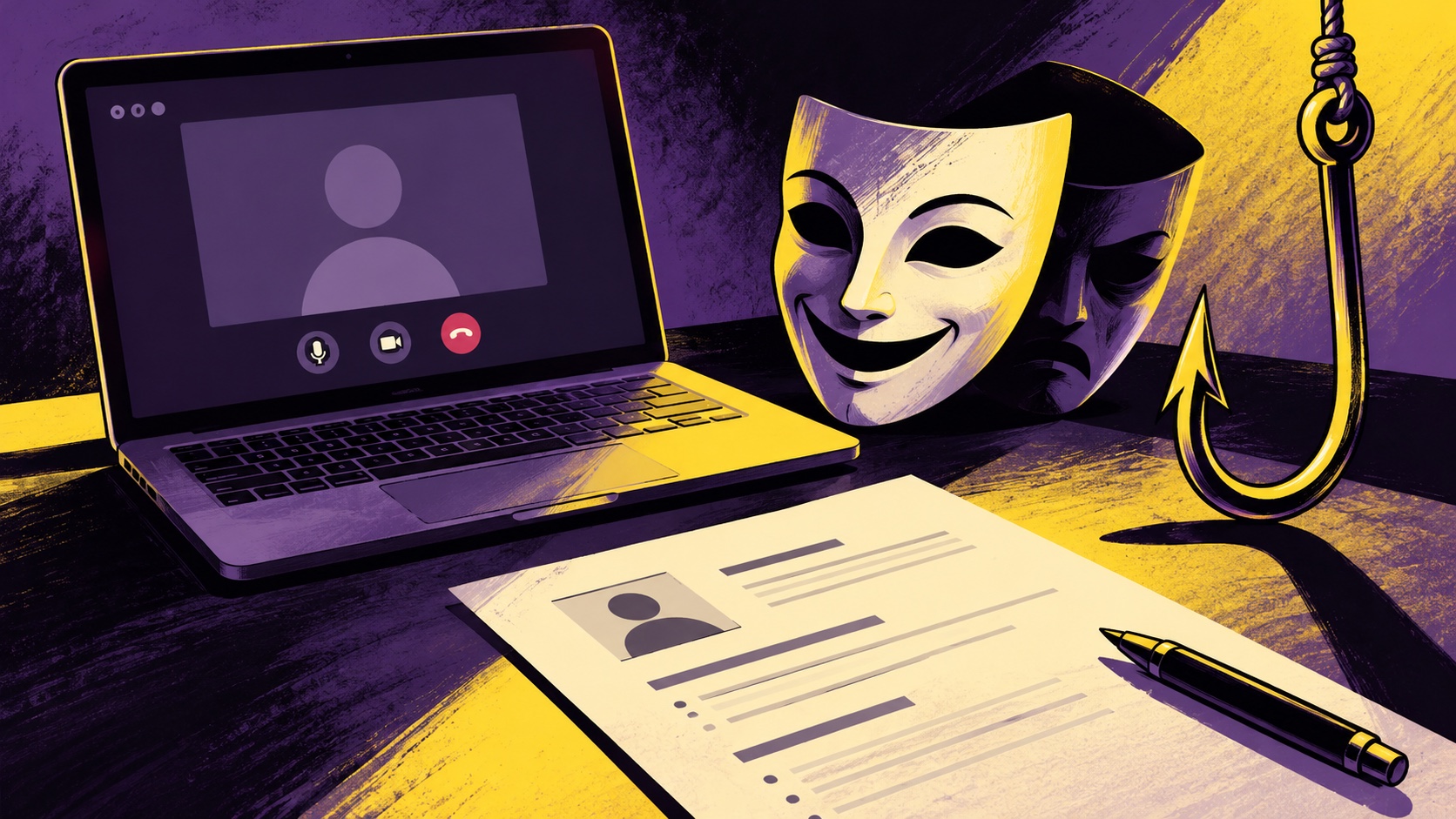
A video call and a familiar document platform do not establish that a recruiter is genuine.
Verified brief
The story in 60 seconds
A jobseeker told the BBC that a fake recruitment process led to malicious software and the loss of £18,000 from cryptocurrency accounts. The case illustrates how a plausible interview sequence can lower a candidate's guard. The question is not only whether a file looks suspicious, but whether the recruiter has been independently verified.
This brief and the full story below are based on the disclosed sources. SearchTrends Daily’s interpretation appears later under “Our take.”
Full reporting
The complete story
The BBC reports that a jobseeker was contacted through LinkedIn, took part in a video call and was then asked to complete a technical assessment. The process used a familiar document service and software that appeared legitimate. The victim says their online wallets were emptied overnight.
Researchers cited in the report describe an attack designed to resemble an ordinary recruitment process rather than a crude unsolicited attachment. LinkedIn and Indeed have issued warnings about recruitment scams, including bogus interview applications. The reported case does not mean those platforms themselves stole the money, or that every external assessment is fraudulent. It shows how criminals can borrow the credibility of real services.
Source perspectives
What other reporting adds
These are the reports, official records, and trend observations used to build the story. The note under each link explains exactly what it contributes.
SearchTrends Daily opinion
Our take
Analysis
What the evidence and search signal suggest
The most useful checkpoint comes before installation. A polished interview cannot prove that the employer authorised the person conducting it. Independent contact through the employer's known website creates a separate verification route. A digital signature or familiar hosting page is also not a guarantee that the requested software is safe. The attack succeeds when several weak reassurance signals are mistaken for one strong proof.
Analysis and commentary are SearchTrends Daily’s interpretation. They are intentionally separated from the sourced account above.
Meaning
Why this matters
Candidates face pressure to act quickly and appear cooperative. That pressure can turn a request they would normally question into something they accept because a job opportunity seems to depend on it.
Background
How we got here
Social engineering relies on a believable relationship or sequence, not just a malicious link. A recruiter identity, scheduled call and relevant task can reinforce one another even when all are part of the same deception.
Outlook
What is likely to happen next
Confirm the role and recruiter independently before installing assessment software. If a device may be compromised, stop using it for sensitive accounts and seek reputable incident-response help. Report the approach to the platform and relevant authorities; this article cannot diagnose an individual device.
A conditional editorial assessment based on the evidence available at the review date, not a guaranteed outcome.
Live record
Updates to this story
No material updates yet.



Commentary
What we think
Our view: a legitimate employer should tolerate a candidate checking an unusual download request. Recruitment platforms should make verified employer identity and reporting routes prominent. Blaming victims overlooks how deliberately these processes exploit normal professional behaviour.