India's internet resilience problem is partly a geography problem
More cables do not create full redundancy if too many arrive in the same small coastal area.
Verified brief
The story in 60 seconds
BBC reporting highlights the concentration of India's international cables near Mumbai. Multiple cables can still share exposure to the same local disruption. The issue is resilience and performance, not a claim that one cut would switch off the country's entire internet.
This brief and the full story below are based on the disclosed sources. SearchTrends Daily’s interpretation appears later under “Our take.”
Full reporting
The complete story
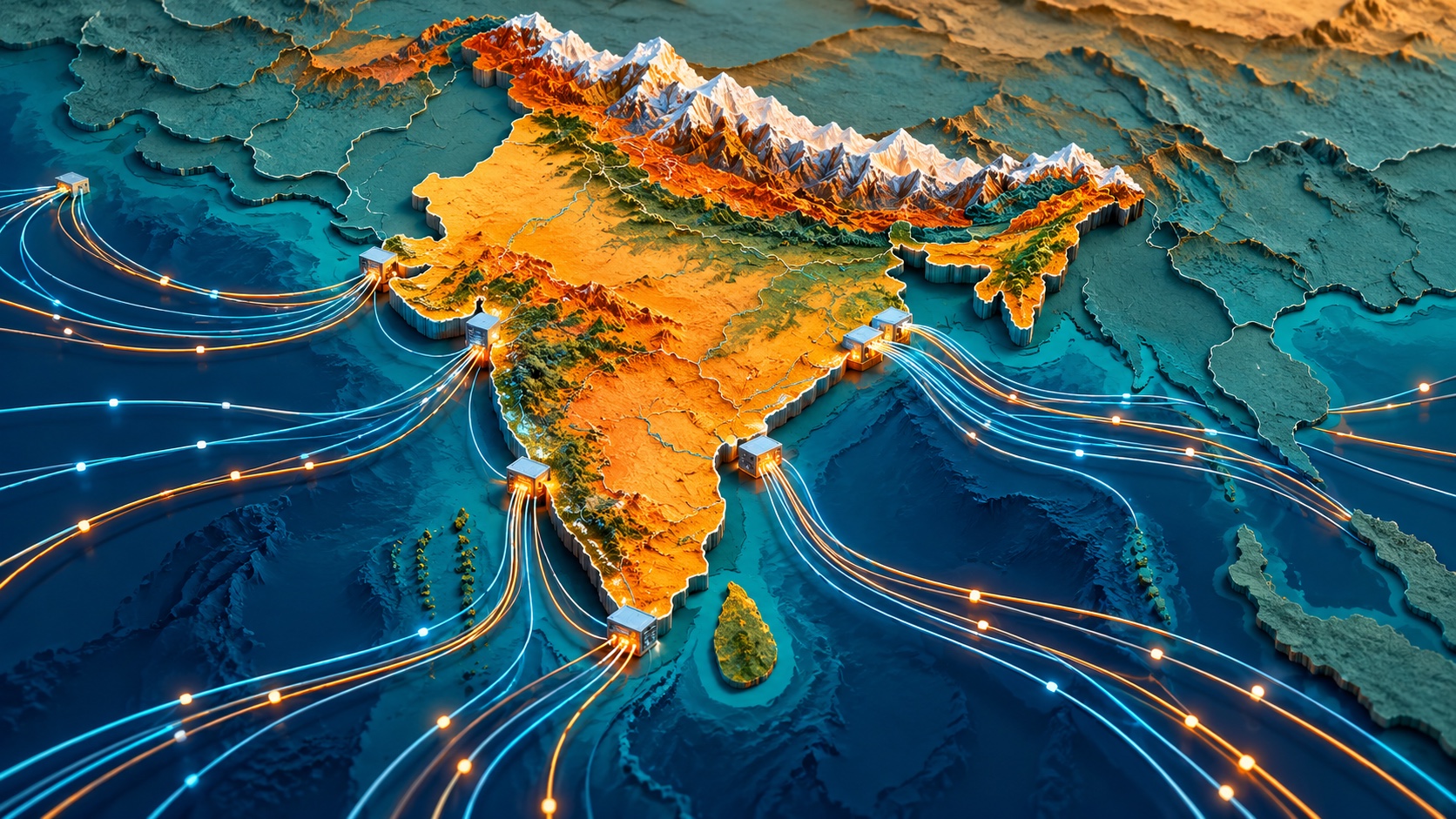
At least 13 of India's 18 intercontinental submarine cables come ashore within roughly six kilometres near Mumbai's Versova area, according to the BBC's examination of the network. Experts cited in the report warn that a simultaneous disruption could affect a large share of westward international capacity.
Traffic can be rerouted through other landing points, including southern Indian cities. The concern is therefore not simply a total blackout: congestion and increased latency can still be costly for financial services, cloud providers and other businesses. The report also raises the age of several existing cables and the need for more landing infrastructure as India's data demand grows.
Source perspectives
What other reporting adds
These are the reports, official records, and trend observations used to build the story. The note under each link explains exactly what it contributes.
SearchTrends Daily opinion
Our take
Analysis
What the evidence and search signal suggest
Geographic concentration creates a common point of exposure. Adding capacity along an already crowded route can make normal performance better while doing less for resilience than a genuinely separate path. The trade-off is cost: new landing sites need terrestrial connections and supporting infrastructure. Our reading is that diversity should be evaluated alongside bandwidth when judging the strength of a digital-economy plan.
Analysis and commentary are SearchTrends Daily’s interpretation. They are intentionally separated from the sourced account above.
Meaning
Why this matters
International connectivity supports services used by customers well beyond India. A slower or less resilient connection can affect cross-border business even when domestic networks remain available.
Background
How we got here
Submarine cables carry data through optical fibres between land-based networks. Redundancy depends on the physical routes, landing stations and onward connections being sufficiently independent, not merely on counting how many cables exist.
Outlook
What is likely to happen next
Watch new cable routes, geographically separate landing stations and repair arrangements. Businesses should ask providers about route diversity rather than relying solely on headline speeds. This is infrastructure analysis, not a prediction that a cable incident is imminent.
A conditional editorial assessment based on the evidence available at the review date, not a guaranteed outcome.
Live record
Updates to this story
No material updates yet.


Commentary
What we think
Our view: digital infrastructure reporting should make the physical system visible. 'Cloud' services still rely on coastlines, power and repair capacity. Resilience spending can look inefficient until an outage makes the alternative expensive.