The Flock debate is about the network behind the camera
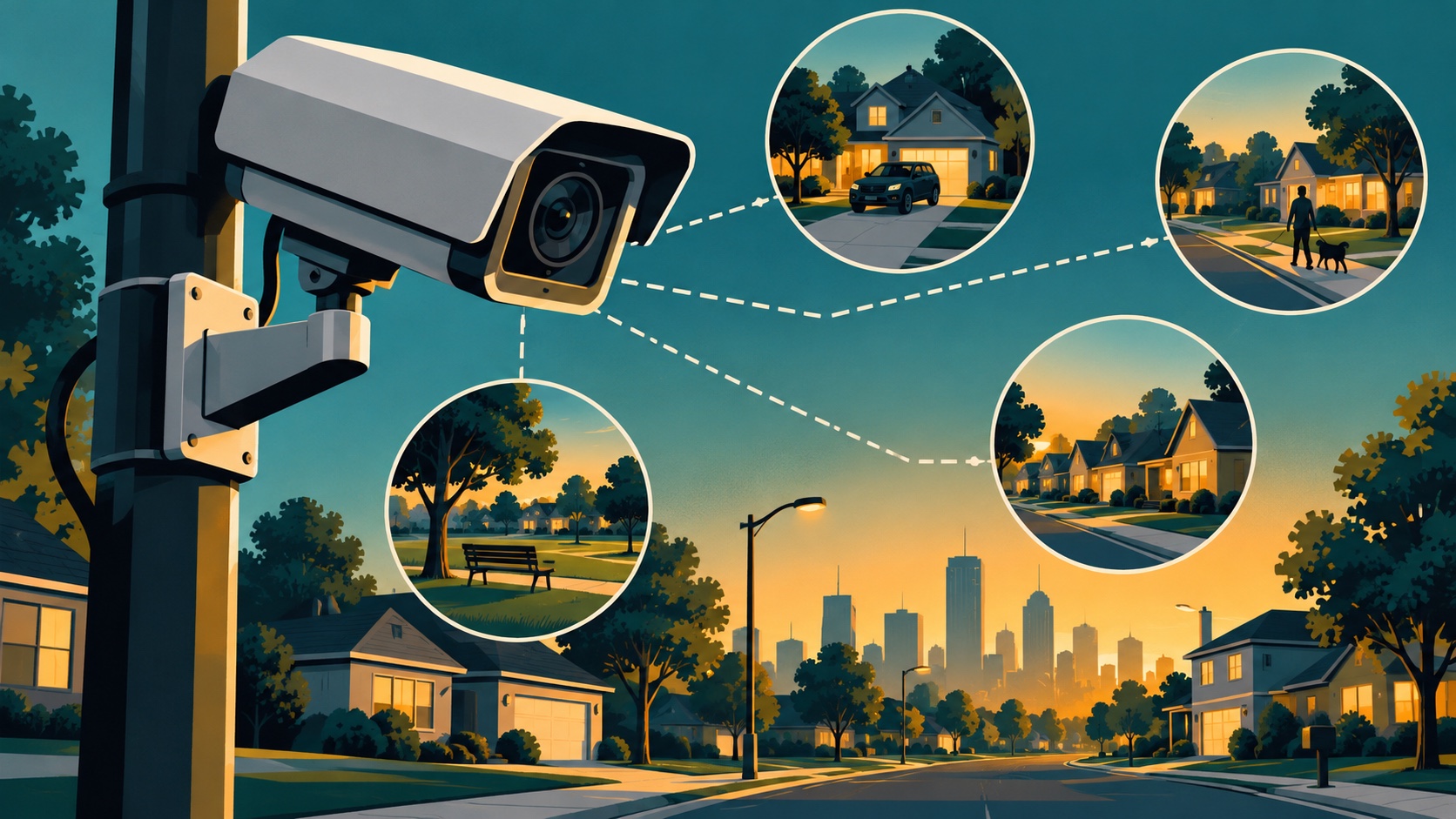
A camera on one street can be part of a much wider information system. That changes the questions residents should be able to ask.
Verified brief
The story in 60 seconds
BBC reporting examines Flock Safety's expanding camera network, law-enforcement uses and privacy concerns. The central issue is not only what a device records, but who can search linked information and under what controls.
This brief and the full story below are based on the disclosed sources. SearchTrends Daily’s interpretation appears later under “Our take.”
Full reporting
The complete story
The BBC describes how Flock's licence-plate camera system connects participating organisations to wider search capabilities. Supporters say it helps investigations, while critics raise concerns about the scale of access and potential misuse. The report also covers vandalism and examples of disputed or improper use.
Those are separate issues: legitimate questions about surveillance do not justify damaging equipment, and claims of public-safety benefit do not remove the need for oversight.
Source perspectives
What other reporting adds
These are the reports, official records, and trend observations used to build the story. The note under each link explains exactly what it contributes.
SearchTrends Daily opinion
Our take
Analysis
What the evidence and search signal suggest
Our assessment is that a meaningful accountability framework would make several things understandable: the authorised uses, who can search, how access is logged, how long records persist and how misuse is investigated. These controls should be evaluated alongside evidence of benefits, not treated as an afterthought. Neither a successful investigation nor an abuse case alone can quantify the whole system's impact, but both are relevant to judging its design.
Analysis and commentary are SearchTrends Daily’s interpretation. They are intentionally separated from the sourced account above.
Meaning
Why this matters
Residents may see a local installation without knowing how far its data can travel. Understanding the information network is necessary to have an informed debate about purpose, access and accountability.
Background
How we got here
Vehicle cameras predate this debate. What changes the discussion is the combination of searchable records, sharing across organisations and analytical tools. A local procurement decision can therefore have implications beyond the immediate location.
Outlook
What is likely to happen next
Watch local public records, procurement decisions and official responses to documented misuse. This article does not establish that every participating agency follows the same rules, nor does it provide instructions for evading or damaging surveillance systems.
A conditional editorial assessment based on the evidence available at the review date, not a guaranteed outcome.
Live record
Updates to this story
No material updates yet.



Commentary
What we think
We think communities deserve more than a choice between unquestioning acceptance and opposition to every camera. Publicly explainable rules, proportionate access and credible auditing offer a more useful basis for scrutiny. Sabotage does not supply that accountability.