ANZ reports A$7.59bn cash profit: why the comparison matters
Cash profit rose 31%. ANZ puts growth at 10% when the impact of last year’s significant items is excluded.
Verified brief
The story in 60 seconds
ANZ’s November 9 results show higher annual earnings, with two different growth comparisons. The headline increase reflects a prior year affected by significant items; the bank also supplies a comparison excluding their impact.
This brief and the full story below are based on the disclosed sources. SearchTrends Daily’s interpretation appears later under “Our take.”
Full reporting
The complete story
ANZ reported A$7.591 billion in cash profit and A$7.270 billion in statutory profit for the year ended September 30, 2026. Cash profit increased 31% from the previous year, or 10% excluding the impact of FY25 significant items, according to its November 9 release.
The bank describes cash profit as a non-IFRS measure that excludes non-core items included in statutory profit. These are distinct measures, not two labels for the same total.
Reuters independently reported the increase, placing cash profit near a Visible Alpha consensus of A$7.55 billion. It noted that operating expenses fell 14%, reflecting lower restructuring expenses and the absence of the prior-year ASIC settlement amount.
Reuters also reported a 1.53% net interest margin, with competition and the timing of central-bank rate changes weighing on that measure. ANZ declared a final dividend of 83 Australian cents per share.
Source perspectives
What other reporting adds
These are the reports, official records, and trend observations used to build the story. The note under each link explains exactly what it contributes.
Original results: reporting period, statutory and cash-profit totals, 31% and 10% comparisons, cash-profit definition and final dividend.
Read original source ↗Reuters / Investing.comAustralian lender ANZ reports 31% rise in full-year cash profit — November 9Independent reporting on profit, consensus, operating expenses, margin pressure and final dividend; article read directly in browser.
Read original source ↗Wikimedia Commons / ElekhhANZ Docklands — 2010 photograph, CC BY-SA 3.0Archival building photograph, creator, capture date and reuse licence; not a current event photograph.
Read original source ↗SearchTrends Daily opinion
Our take
Analysis
What the evidence and search signal suggest
Our assessment: the strongest reading keeps the statutory total, the bank’s cash-profit measure and the adjusted year-on-year comparison separate. None alone describes every part of the business, and a larger profit does not establish that every operating indicator improved.
Analysis and commentary are SearchTrends Daily’s interpretation. They are intentionally separated from the sourced account above.
Meaning
Why this matters
A large earnings increase can reflect both current trading and the comparison period. The 31% and 10% figures answer different questions; presenting both helps readers assess how much of the headline change depends on last year’s significant items.
Background
How we got here
The reporting period ended September 30. The announcement is dated November 9 in Australia, while this review began late November 8 UTC. The date difference reflects time zones rather than an extra day of financial performance.
Outlook
What is likely to happen next
The full results and the reconciliation between statutory and cash profit provide the basis for further comparisons. Management’s plans remain forward-looking statements; this report makes no prediction about the share price or recommendation to trade.
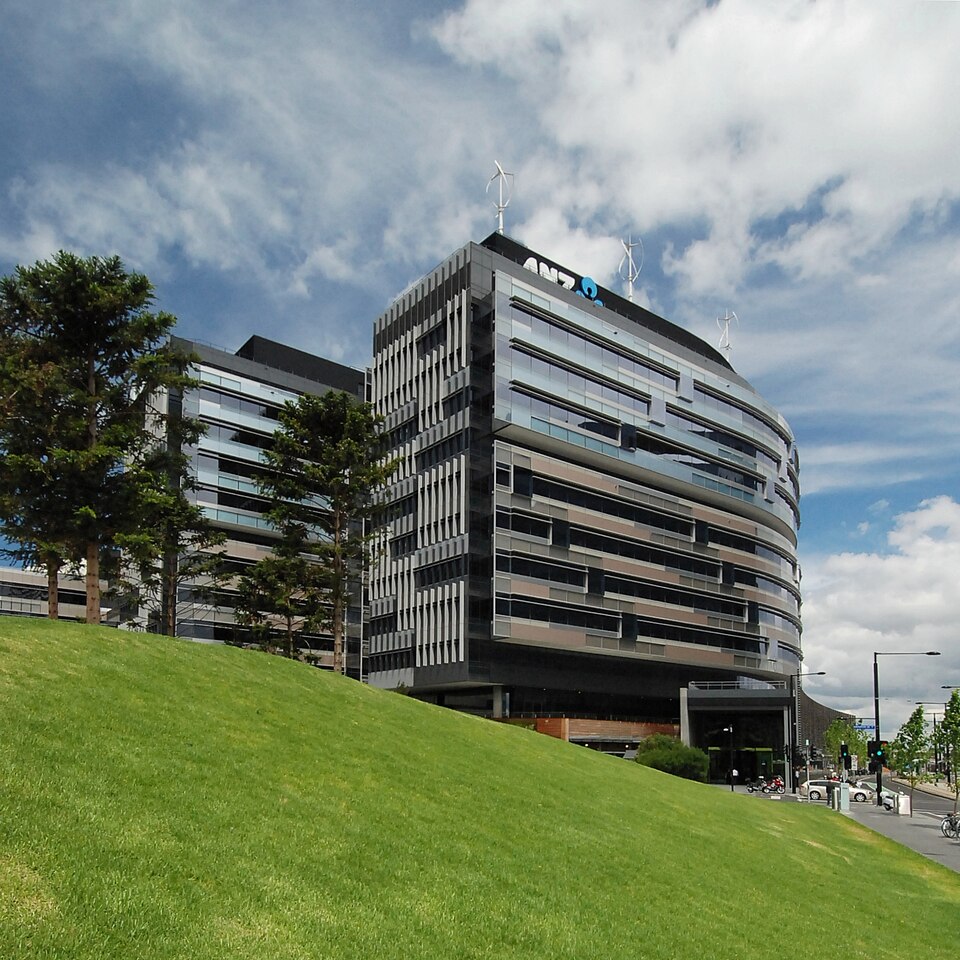
Image credit: Elekhh / Wikimedia Commons, CC BY-SA 3.0 (https://creativecommons.org/licenses/by-sa/3.0/). Source: https://commons.wikimedia.org/wiki/File:ANZ_Docklands.jpg. Photograph taken November 16, 2010, showing ANZ’s Docklands building in Melbourne. Archival context, not the 2026 results announcement. The Commons version was downloaded without editorial alteration; site display may crop it. The photograph and any display crop remain available under the same licence.
A conditional editorial assessment based on the evidence available at the review date, not a guaranteed outcome.
Live record
Updates to this story
No material updates yet.



Commentary
What we think
The comparison basis deserves as much attention as the headline percentage. A clear earnings report should show the qualification where readers first encounter the growth claim.